How to Switch Electronics Manufacturing Suppliers Without Disrupting Production
Moving an established electronics product to a new EMS supplier: build a manufacturing baseline, qualify the receiving factory, reconcile committed inventory, control the process change, define the changeover point, and validate before release.
Transferring an established electronics product to a new manufacturing supplier involves more than moving purchase orders and production files. Manufacturing knowledge, supply arrangements, quality management, and coordination between the two facilities all need to be considered.
Maria Flavia Mogos, a researcher specializing in production transfers and supply chain risk at the Norwegian University of Science and Technology (NTNU), examined these issues with fellow researchers Erlend Alfnes and Natalia Swahn in their study, Prerequisites for Successful Production Transfers in the Electronics Industry.
Their research examined the conditions required for successful production transfers in the electronics industry, including the preparation necessary for the receiving facility to achieve stable manufacturing operations.
For an Original Equipment Manufacturer (OEM), the immediate concern is practical: how can a new Electronics Manufacturing Services (EMS) provider be qualified without compromising existing production commitments?
The answer depends on establishing a controlled manufacturing transition. Product configurations must be verified, supplier capabilities evaluated, manufacturing changes approved, and production results reviewed before responsibility is transferred.
Establish the Manufacturing Baseline Before Transferring Production
A new EMS supplier needs to know exactly which product configuration it is expected to manufacture.
ISO 10007:2017, Quality Management — Guidelines for Configuration Management, provides guidance for controlling product configurations throughout their lifecycle. It offers a relevant framework for managing manufacturing information when production moves between suppliers.
For an existing Printed Circuit Board Assembly (PCBA), the manufacturing package may include the approved Bill of Materials (BOM), PCB fabrication data, assembly drawings, component placement information, firmware revisions, programming instructions, and test specifications.
These documents need to describe the same approved product configuration.
Particular attention should be given to engineering changes introduced after the original design release. An alternative component may have been approved during an earlier production run, or a firmware revision may have been introduced without changing the PCB design.
If the receiving factory is given outdated documents, it may prepare a manufacturing process for a product configuration that is no longer approved.
The availability and ownership of manufacturing assets also require review.
Dedicated test fixtures, programming equipment, assembly tooling, and manufacturing software may be owned by the OEM or controlled by the existing supplier. The distinction matters because not every asset or process can necessarily be transferred.
ISO 9001:2026 addresses the protection and control of property belonging to customers or external providers. Its quality management requirements provide a relevant basis for identifying responsibilities associated with customer-owned production assets.
Where existing manufacturing equipment or process information cannot be transferred, the receiving supplier may need to develop an alternative manufacturing or testing method and verify it against the applicable product requirements.
Qualify the New Supplier Against the Product's Actual Requirements
An ISO 9001 certificate provides information about a supplier's quality management system. It does not independently establish that the supplier can manufacture a particular electronic product.
ISO 9001:2026, Quality Management Systems — Requirements, includes requirements for evaluating, selecting, monitoring, and controlling external providers. These controls are intended to address the effects of externally provided processes, products, and services on conformity to requirements.
For an electronics manufacturing transfer, supplier qualification should therefore be related to the actual product rather than limited to a review of factory equipment or certifications.
A PCB assembly project may require evaluation of component sourcing, assembly processes, inspection arrangements, programming capability, and functional testing.
Where a formal supplier audit is appropriate, ISO 19011:2026 provides guidance on management system auditing, including audit planning, conducting audits, and evaluating audit evidence.
Electronic assembly standards provide more specific technical references.
IPC J-STD-001J and IPC-A-610J address different but complementary aspects of electronic assembly quality. J-STD-001J covers soldering processes, materials, and acceptance requirements, while IPC-A-610J establishes acceptance criteria for completed electronic assemblies.
When applicable to the product and contract, these standards can form part of the requirements used to evaluate the receiving manufacturer's process and assembled products.
Electrostatic discharge protection also needs consideration when handling susceptible electronic components.
IEC 61340-5-1:2024 establishes requirements for ESD control programs covering the handling and processing of susceptible electronic parts and assemblies.
The receiving manufacturer's ESD arrangements should therefore be assessed against the sensitivity of the components and the requirements applicable to the manufacturing project.
The purpose of supplier qualification is to establish objective evidence that the receiving factory can meet the agreed manufacturing requirements—not merely to confirm that it possesses the expected equipment.
Account for Components and Inventory Already Committed to Production
Material planning is an essential part of a manufacturing transfer because the original supplier may already hold inventory purchased for future production.
Maria Flavia Mogos, Anna Fredriksson, and Erlend Alfnes, researchers in production transfers and operations management, developed and examined a risk-based transfer procedure in A Production Transfer Procedure Based on Risk Management Principles.
Their research addresses manufacturing transfers as coordinated activities involving supply chains, knowledge transfer, administrative responsibilities, and quality management.
These considerations are relevant when an OEM needs to account for inventory and outstanding purchasing commitments before production changes location.
Raw materials, work in progress, finished goods, and components allocated to future orders may all require reconciliation between the original supplier and the receiving factory.
The review should establish material quantities, applicable part numbers and revisions, ownership, storage conditions where relevant, and whether the receiving manufacturer can accept the materials for production.
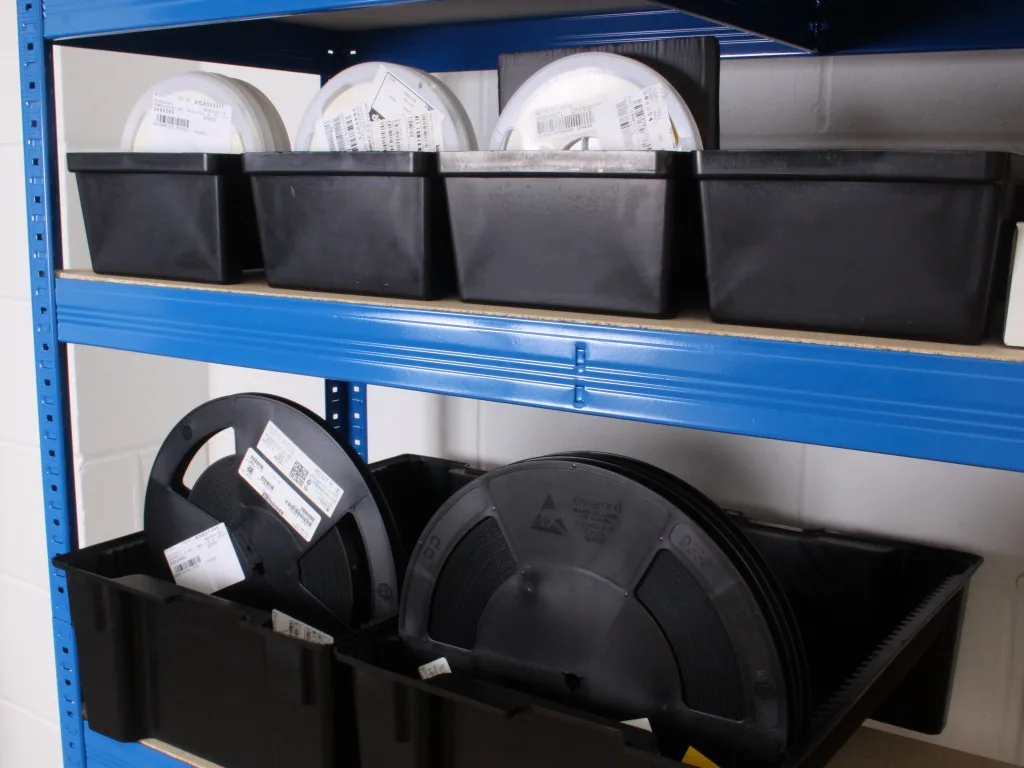
Component availability introduces another risk.
IEC 62402:2019, Obsolescence Management, establishes requirements and guidance for identifying and managing obsolescence throughout an item's lifecycle.
For electronics products with long manufacturing lifecycles, the transfer review should therefore examine components approaching end of life, approved substitutes, and any sourcing changes that could affect future production.
A proposed substitute should not be introduced solely because the receiving supplier can obtain it more easily. Its suitability and approval must be considered against the product's technical requirements and applicable change-control arrangements.
The production transfer schedule must also account for material availability and the time needed to establish and verify the new manufacturing process.
In some circumstances, maintaining additional finished-goods inventory may reduce supply exposure during the transition. In others, temporary overlapping production between two qualified suppliers may be practical.
These are planning options rather than universal requirements. Their suitability depends on demand, inventory costs, material commitments, and the consequences of a delivery interruption.
Treat the Manufacturing Site Change as a Controlled Process Change
Keeping the same PCB design does not necessarily mean maintaining the same manufacturing process.
A receiving factory may use different equipment, operators, materials, or assembly methods. These factors are commonly examined through the 4M framework: Man, Machine, Material, and Method.
The distinction between product design changes and manufacturing process changes is important.
An OEM may transfer a PCB assembly without modifying its schematic, layout, or component specifications. Nevertheless, the soldering equipment, assembly instructions, inspection methods, and testing arrangements at the receiving factory may differ from those of the previous manufacturer.
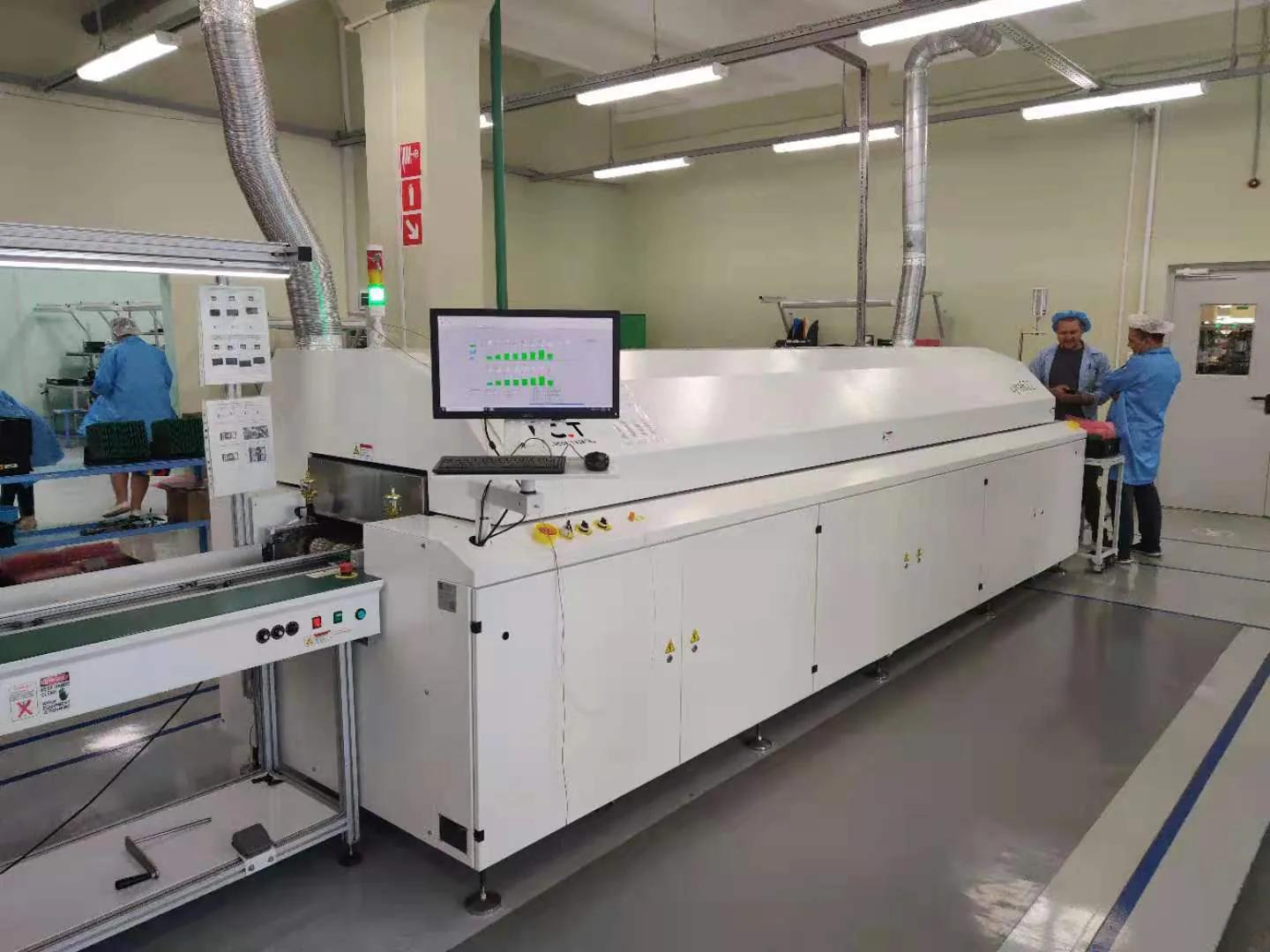
Such differences should be evaluated for their potential effect on product conformity.
ISO 9001:2026 addresses the review and control of production changes. In practical terms, the receiving manufacturing process should be assessed against the requirements that apply to the product, and relevant changes should be reviewed and authorized before implementation.
Some manufacturing transfers also require customer-specific approvals.
In the automotive industry, the Automotive Industry Action Group (AIAG) publishes the Production Part Approval Process (PPAP), which provides an established approach to demonstrating that a production process can consistently meet engineering and specification requirements.
However, PPAP should not be treated as a mandatory procedure for every industrial or consumer electronics product. Its application depends on the relevant industry, customer requirements, and contractual obligations.
For other electronics manufacturing projects, approval and verification arrangements should be established according to the applicable requirements.
The Production Changeover Needs a Defined Boundary
One of the more consequential decisions in a supplier transfer is determining exactly where production from the original manufacturer ends and production from the receiving manufacturer begins.
Consider an industrial electronic controller that has already been produced and delivered in several batches.
The original supplier may still hold finished assemblies, partially completed products, and components purchased against future orders. Meanwhile, the receiving factory may be preparing its first approved production batch.
If the manufacturing changeover is not clearly identified, the OEM may have difficulty distinguishing products manufactured at different locations.
The transition should therefore establish an identifiable point of implementation.
Depending on the product and its traceability requirements, this may be defined by production lot, serial-number range, manufacturing date, or a specific production order.
IPC-1782B, Standard for Manufacturing and Supply Chain Traceability of Electronic Products, establishes risk-based traceability requirements covering electronic manufacturing processes and the movement of materials and products through the supply chain.
ISO 9001 also addresses product identification and traceability where applicable.
These frameworks provide a basis for determining how production information should be retained and how products from different manufacturing sources can be distinguished.
Where different approved component or product revisions exist, their identification and permitted use should remain clear throughout the transition.
The significance becomes apparent when a quality problem is discovered after the transfer.
An OEM may need to determine which factory manufactured the affected products, which configuration was used, and which production records apply.
Without an adequate traceability arrangement, separating potentially affected products can become more difficult.
The changeover record should therefore remain consistent with production orders, inventory records, approved manufacturing configurations, and the applicable traceability system.
Validate the Receiving Process Before Releasing Regular Production
A product sample that passes functional testing provides useful evidence, but it does not by itself demonstrate that the receiving factory can consistently meet manufacturing requirements.
Electronic assembly quality involves both the physical assembly and the product's specified electrical or functional performance.
IPC J-STD-001J and IPC-A-610J provide relevant manufacturing and acceptance criteria for soldered electronic assemblies. Product-specific functional testing addresses different requirements and should not be regarded as a substitute for assembly acceptance.
For a transferred PCBA, verification may involve assembly inspection, electrical checks, firmware programming, functional testing, and additional tests specified by the customer.
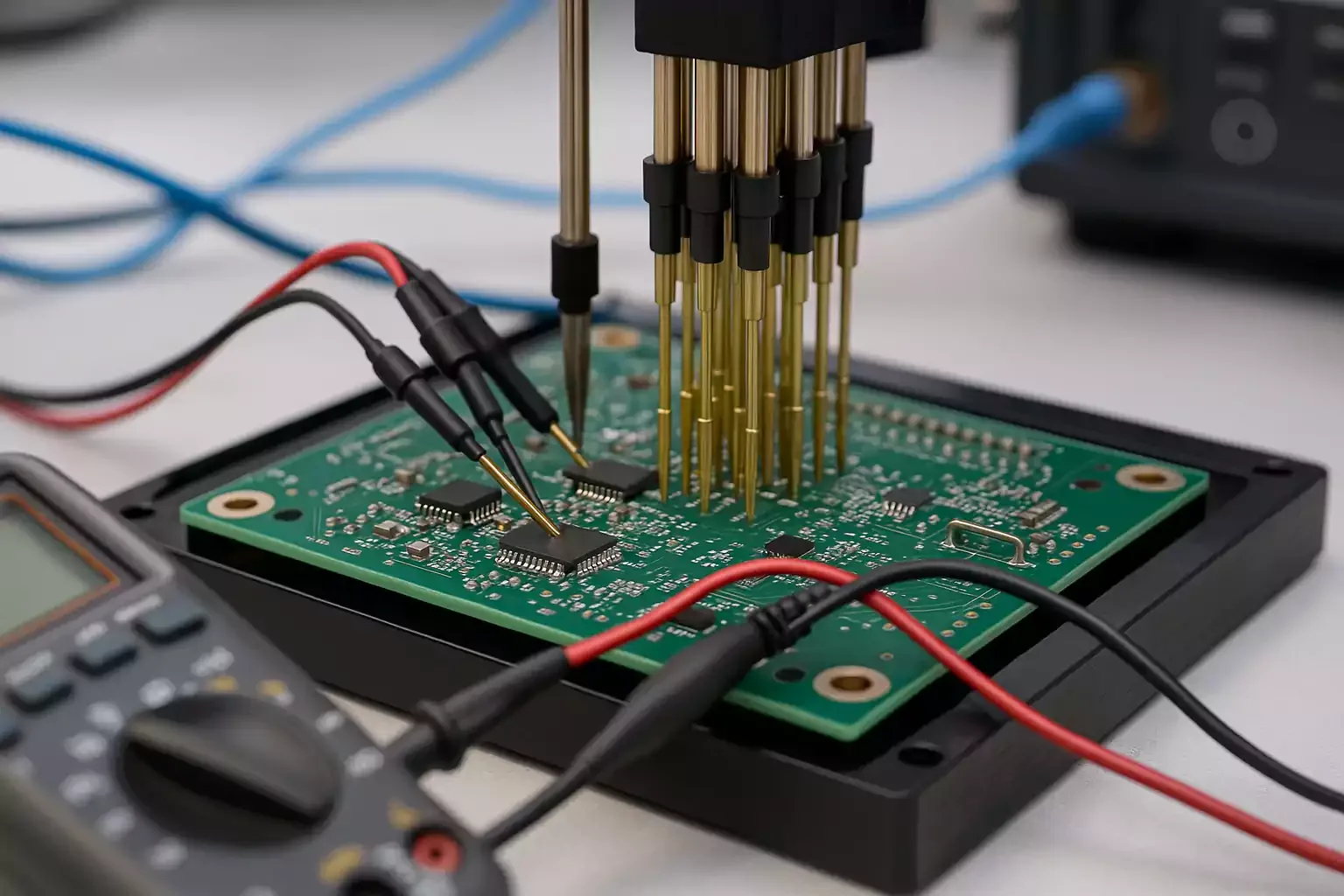
The receiving factory's initial production should be evaluated against the approved product configuration and agreed acceptance criteria.
Where comparable historical manufacturing records are available, the OEM may also review differences in inspection findings, test failures, rework, and other relevant production indicators.
Sampling inspection may be appropriate for particular inspection activities.
ISO 2859-1:2026 provides acceptance sampling schemes indexed by Acceptance Quality Limit (AQL) for lot-by-lot inspection.
However, acceptance sampling has a defined inspection purpose. Passing an AQL-based inspection does not, by itself, establish complete process validation or product reliability.
The extent of verification should be determined by the product's complexity, manufacturing risks, customer requirements, and the consequences of potential failures.
There is no single pilot-production quantity suitable for every electronics manufacturing transfer.
If nonconformities are identified, they should be evaluated and controlled before affected products are released.
ISO 9001 addresses the control of nonconforming outputs, product release, and corrective action. These requirements provide a framework for determining how nonconformities should be handled and how evidence of acceptable production should be maintained.
Monitor the Transfer After Production Starts
Approval of the first production batch is an important milestone, but supplier performance must continue to be evaluated after regular manufacturing begins.
ISO 9001 includes requirements for monitoring, measurement, analysis, and evaluation, as well as ongoing control of externally provided processes and services.
For an EMS manufacturing transfer, relevant monitoring information may include inspection results, functional test failures, corrective actions, production output, delivery performance, and the consistency of manufacturing records.
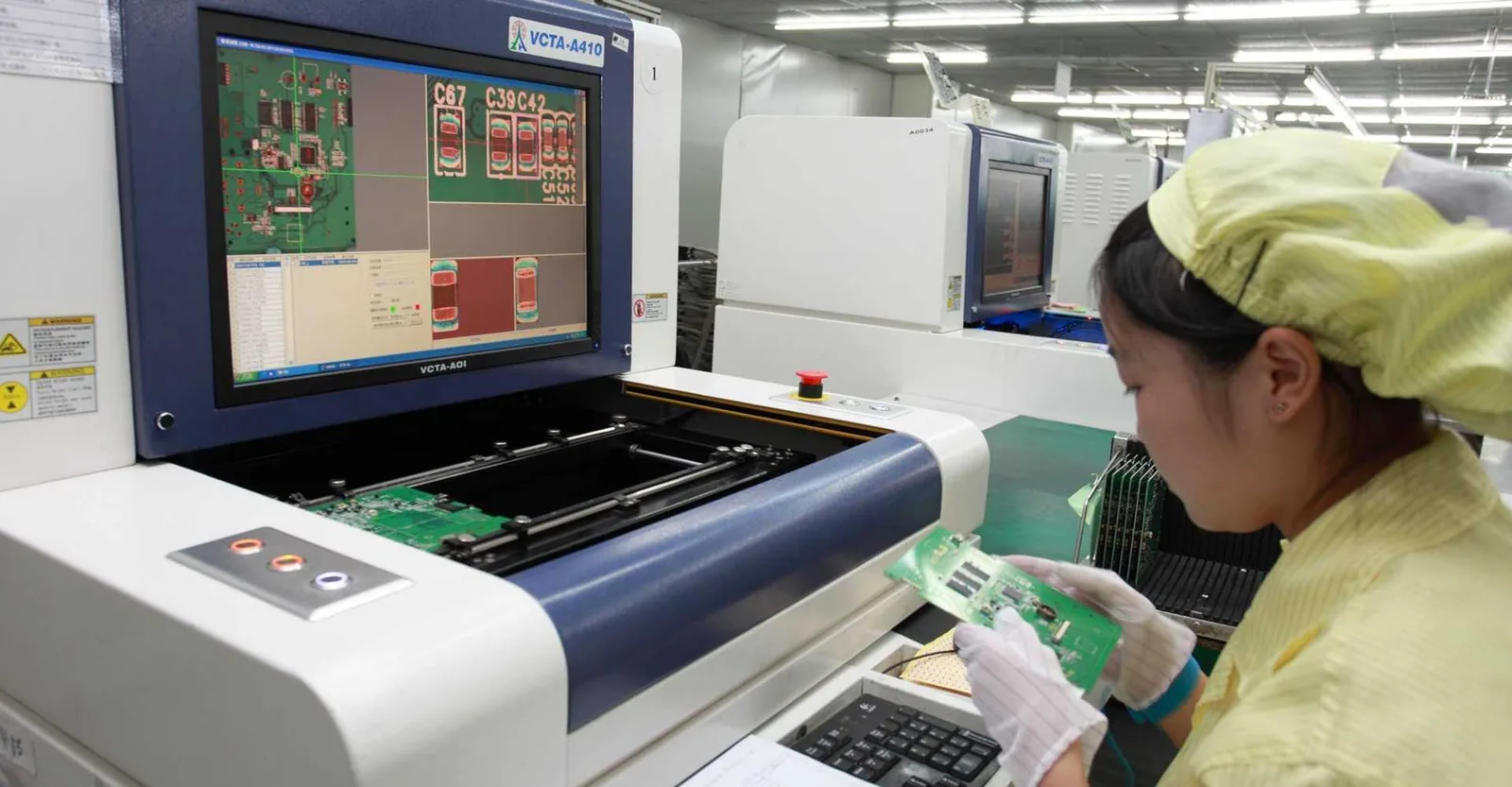
Initial production monitoring should also confirm that the factory is using the correct work instructions, test procedures, firmware files, and approved product configurations.
Any subsequent process or component changes should remain subject to the agreed change-control procedure.
The original manufacturing relationship may still involve unfinished orders, remaining inventory, customer-owned tooling, or unresolved quality issues.
These matters should be addressed through an agreed transition arrangement rather than assuming that the original supplier's obligations automatically end when the receiving factory begins shipping products.
If the OEM intends to retain the original manufacturer as a temporary or alternative source, the required production capability, material availability, and commercial arrangements should be confirmed.
Such an arrangement should not be assumed to exist without agreement.
The closure of the former production arrangement should therefore be coordinated with the receiving supplier's verified manufacturing readiness and the remaining supply obligations.
Production Continuity Requires More Than a New Manufacturing Quote
Research into electronics production transfers shows that stable manufacturing depends on a combination of production knowledge, supply planning, organizational coordination, and quality management.
ISO 9001 provides a framework for quality management and supplier control. ISO 10007 supports configuration management, while IPC standards provide electronics-specific references for assembly acceptance and traceability.
These standards do not guarantee that changing an EMS supplier will be free of disruption. They provide requirements and guidance that can be applied to identify risks, establish appropriate controls, and evaluate manufacturing readiness.
For OEMs planning to move an established electronics product to another manufacturer, the starting point should be an accurate production configuration, clearly defined acceptance requirements, and an assessment of the receiving factory's capabilities.
Tongyong Industries supports electronics manufacturing projects through BOM review, component sourcing, PCB assembly, pilot production, functional testing, and box-build integration.
Companies considering a manufacturing transfer can submit existing production files, product samples, or manufacturing requirements for an initial feasibility review. This can help establish the technical information, verification activities, and production preparations needed before deciding how to proceed.