Electronic Turnkey Manufacturing vs. Consigned Manufacturing
Compare turnkey and consigned electronic manufacturing, including component sourcing, supply-chain responsibility, cost, and when each model fits your project.
When an electronics company decides to outsource production, one of the first questions is how materials will be handled. Will the manufacturer source the PCB and components, or will the customer purchase and supply them?
This is essentially the difference between turnkey manufacturing and consigned manufacturing.
Neither model is automatically better. The right choice depends on the customer's existing supply chain, component inventory, purchasing resources, and how much responsibility they want the EMS partner to take.
What Is Turnkey Electronic Manufacturing?
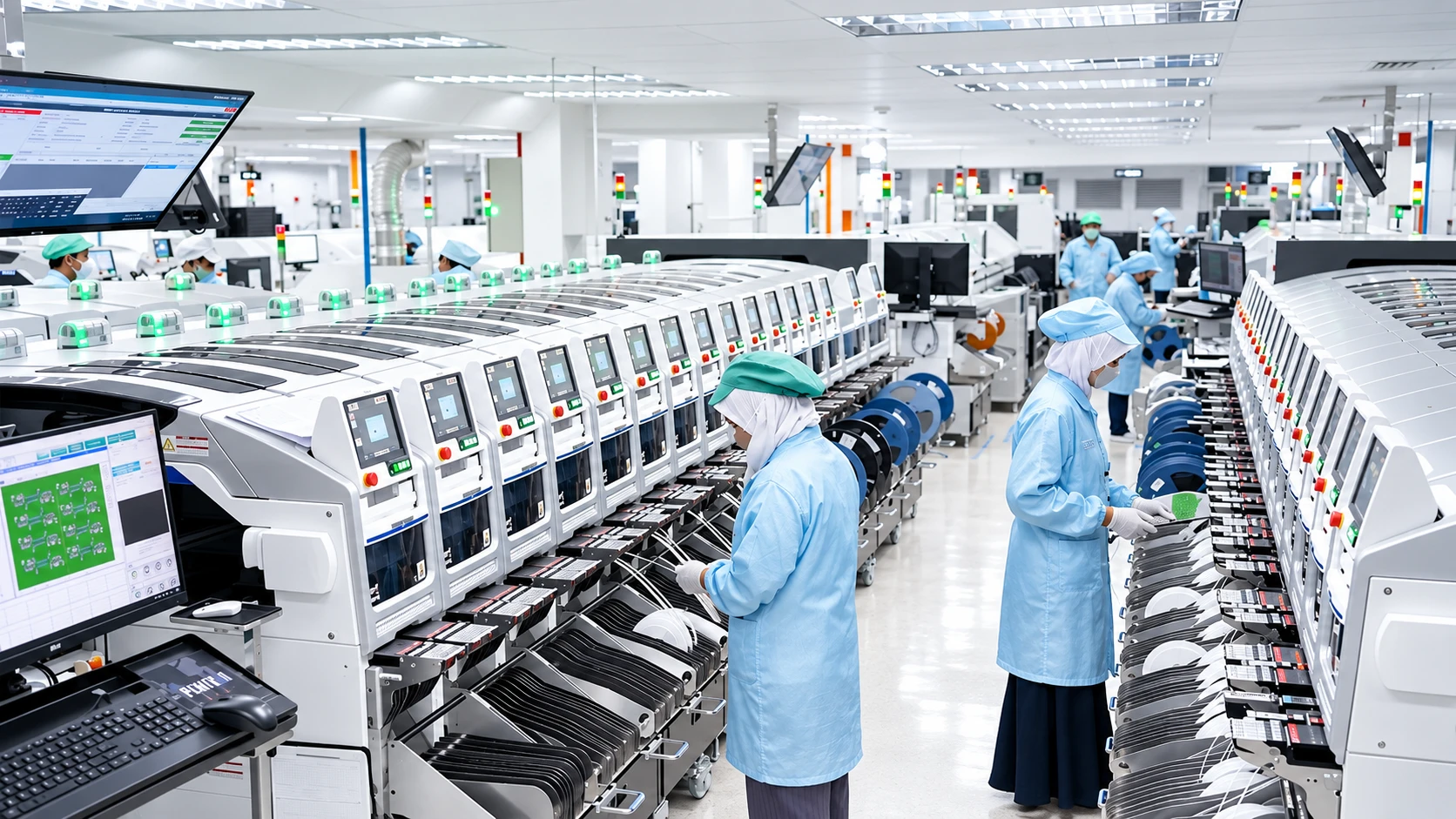
In a turnkey project, the EMS provider takes responsibility for sourcing the materials required for production based on the customer's approved BOM and manufacturing files.
For a PCBA project, this normally means that the customer provides the Gerber files, BOM, pick-and-place data, drawings, firmware or test requirements, while the manufacturer handles PCB fabrication, component sourcing and assembly.
For a more complete electronic product, the scope can extend further into testing, programming, cable assembly, enclosure integration, box build and packaging.
The main value of turnkey manufacturing is therefore not simply that the manufacturer purchases the components. It is that sourcing and production can be coordinated as part of the same manufacturing process.
This can be useful for startups and product companies that do not want to maintain a large internal purchasing team. Instead of coordinating PCB suppliers, component distributors, assembly factories and final product assembly separately, more of these activities can be handled through one manufacturing partner.
At TY-EMS, this type of project can extend from PCB assembly and component sourcing to testing and final product integration through our Electronic Manufacturing Services.
However, turnkey does not mean that the manufacturer should freely change components. Critical part numbers, approved manufacturers and acceptable alternatives still need to be defined by the customer during BOM review.
What Is Consigned Manufacturing?
Consigned manufacturing works differently.
Instead of asking the EMS provider to purchase the components, the customer supplies some or all of the materials required for production.
This often makes sense when a company already has component inventory, negotiated distributor pricing or long-term purchasing agreements. It may also be necessary when certain ICs, modules, displays or other critical parts must come from a specific approved source.
The advantage is greater direct control over purchasing.
The trade-off is that the customer also takes responsibility for making sure those materials are ready when production begins.
A production order cannot move forward simply because most of the parts have arrived. If one critical connector, MCU or other component is missing, the entire assembly may have to wait.
That is why consigned manufacturing should not automatically be considered faster or cheaper. The assembly quotation may be lower because sourcing is excluded, but the customer still has to manage purchasing, inventory, shipping, shortages and excess materials internally.
Turnkey vs. Consigned Manufacturing
The practical difference can be summarized quite simply:
| Turnkey | Consigned | |
|---|---|---|
| Component purchasing | Managed by EMS provider | Managed by customer |
| Supply-chain workload | More responsibility transferred to EMS | More responsibility retained by customer |
| Existing inventory | Usually not necessary | Often useful |
| Supplier control | Managed through approved BOM requirements | Customer controls purchasing directly |
| Material shortages | EMS coordinates sourcing | Customer resolves shortages |
In reality, many projects sit somewhere between these two models.
A customer may want to supply an expensive processor, proprietary module or allocated component while asking the EMS provider to source standard resistors, capacitors, connectors and other common parts.
This is usually described as partial turnkey manufacturing.
For many electronic products, this hybrid approach is more practical than forcing the entire BOM into one sourcing model.
Which Model Makes More Sense?
The answer usually depends on what supply-chain capabilities already exist inside the customer's company.
If a business already has an experienced purchasing team, established distributor accounts and component inventory, consigned manufacturing can allow it to retain those advantages.
If the company is focused primarily on product development, sales or market validation, turnkey manufacturing can reduce the amount of procurement and logistics work it needs to manage internally.
The product itself also matters.
For a simple PCBA, the decision may mainly concern PCB and component sourcing. But for a complete electronic product, manufacturing may involve the enclosure, cables, firmware, final assembly, functional testing and packaging as well.
In these projects, the real question is often broader than who purchases the components.
It becomes:
How much of the manufacturing process should be coordinated by one EMS partner?
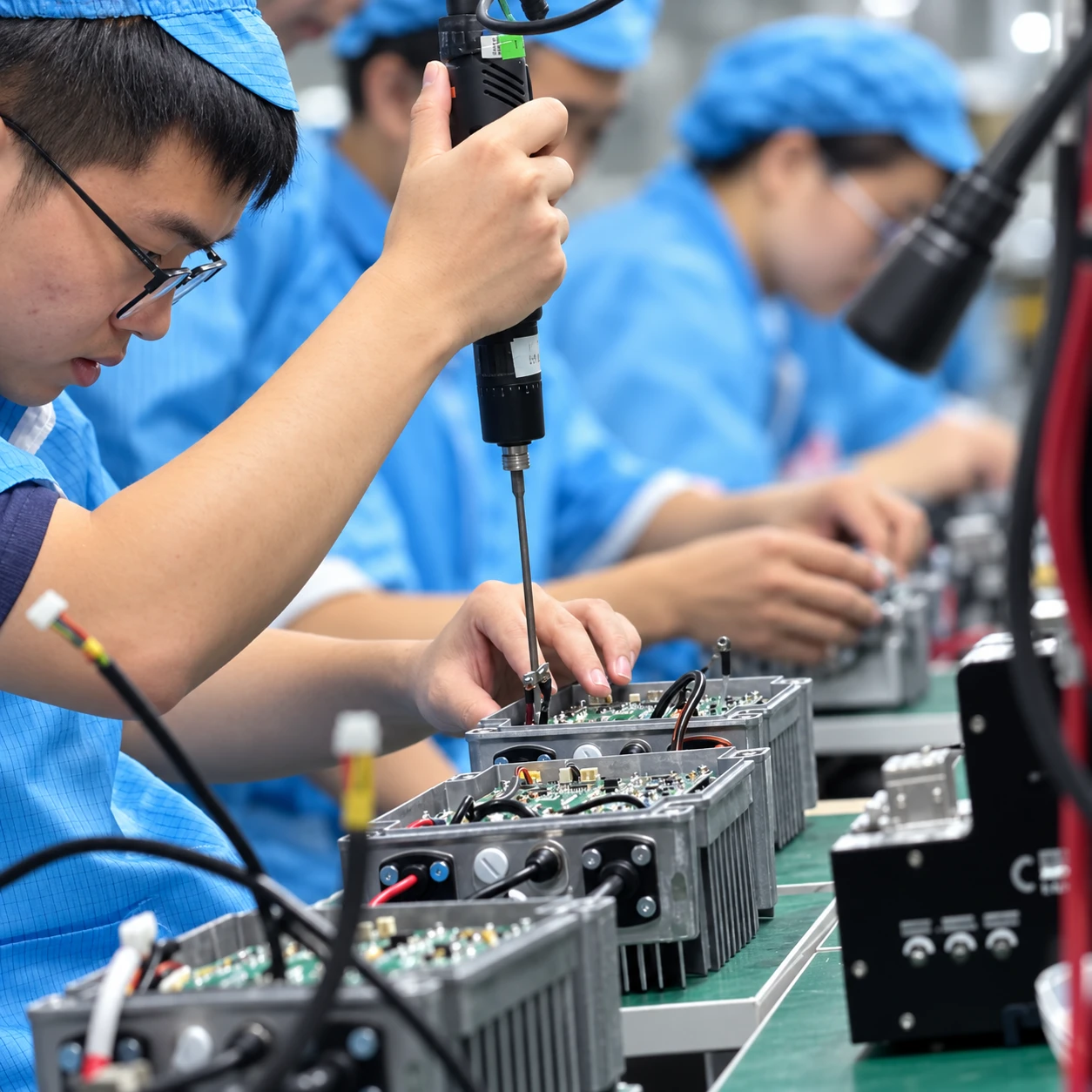
For example, the PCB may pass electrical testing on its own, but the finished product can still encounter problems if connector positions do not match the enclosure, cable lengths are incorrect or a mechanical change affects assembly.
Managing electronics and final product assembly together can help identify these issues earlier.
Cost Is More Than the Assembly Quote
One mistake when comparing turnkey and consigned manufacturing is looking only at the price shown on the manufacturing quotation.
A consigned quotation may appear cheaper because the components are purchased separately by the customer.
But those materials still have a cost, as do freight, inventory management, purchasing staff, warehouse handling and the time required to resolve shortages.
Turnkey manufacturing incorporates more of these activities into the EMS relationship.
This does not mean turnkey will always have the lowest total cost. It simply means the two models should be compared on the same basis.
For one company, its existing purchasing agreements may make consignment more efficient. For another, maintaining a separate procurement operation may create unnecessary work.
A Practical Approach
For most projects, the best starting point is the BOM.
Identify which components must remain under your control, which components you already own and which parts can reasonably be sourced by the EMS provider.
From there, the sourcing model usually becomes much clearer.
Turnkey manufacturing works well when the goal is to simplify procurement and manufacturing coordination.
Consigned manufacturing works well when the customer already has a supply chain it wants to retain.
And when only a few parts require direct control, partial turnkey manufacturing can provide a practical middle ground.
The important point is not choosing a label. It is defining who is responsible for each material before sourcing and production begin.