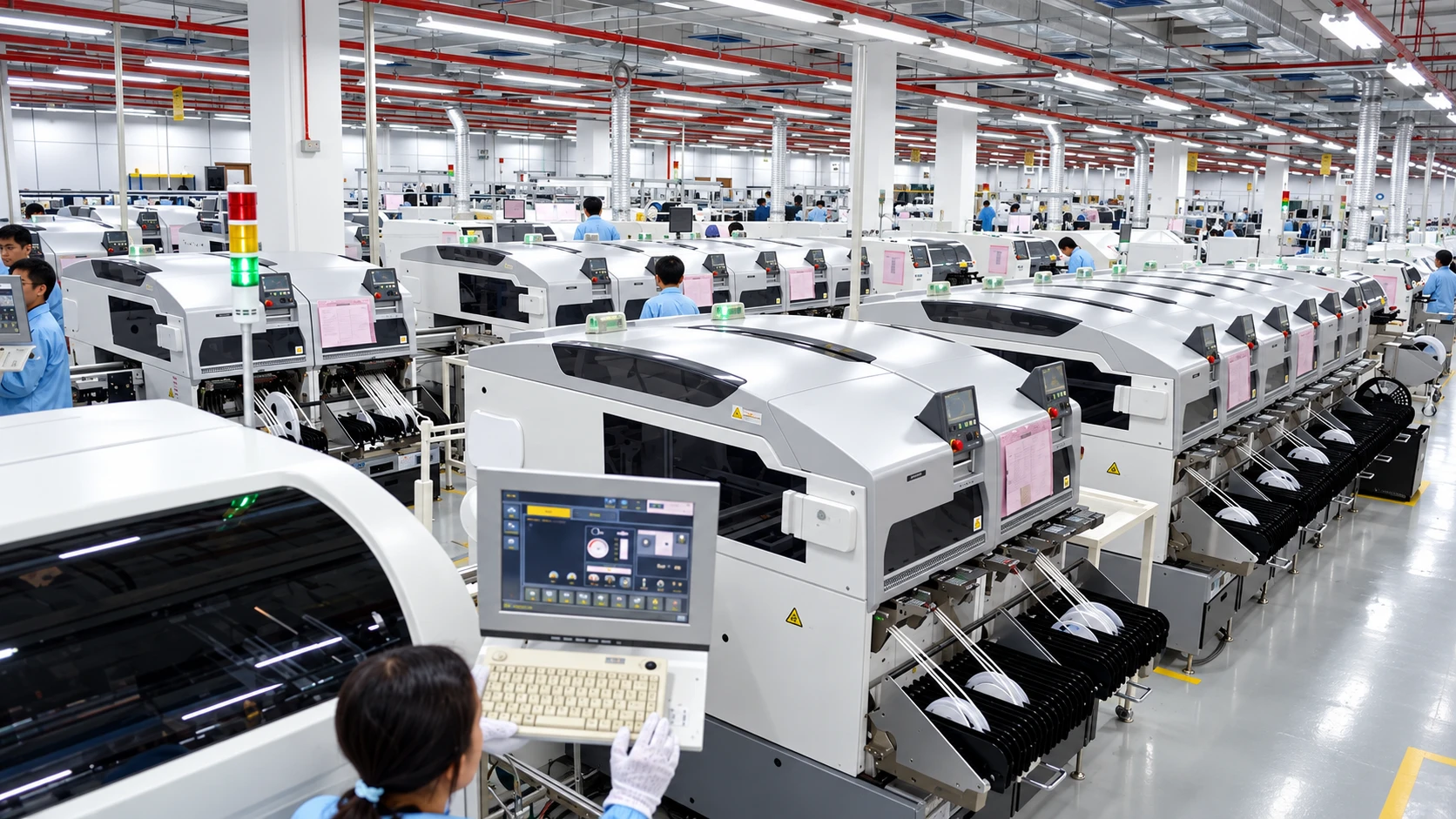
What Is EMS? The History and Evolution of Electronics Manufacturing Services
Electronics Manufacturing Services, commonly abbreviated as EMS, refers to companies that manufacture electronic products, assemblies, and systems on behalf of original equipment manufacturers (OEMs). Today, EMS can cover far more than PCB assembly. Depending on the project, an EMS provider may support component sourcing, prototyping, printed circuit board assembly, testing, system integration, box-build assembly, packaging, logistics, repair, and other manufacturing activities throughout the product lifecycle.
The modern EMS industry did not appear all at once. It developed gradually from earlier forms of electronics subcontracting and contract manufacturing, particularly in aerospace, computing, telecommunications, and consumer electronics.
The Roots of Electronics Contract Manufacturing
The early history of EMS is closely connected to specialized electronics subcontracting.
One of the most frequently cited early companies is SCI Systems of Huntsville, Alabama. The company began as Space Craft Inc. in 1961 and initially supplied electronic equipment to the U.S. space program. The International Labour Organization later described SCI as originating in the southeastern United States as a supplier of electronic equipment to NASA before expanding into IBM’s personal-computer program.
This period is better understood as the foundation of electronics contract manufacturing rather than modern EMS in its present form. Early subcontractors were usually hired to manufacture specific assemblies or systems designed by larger organizations.
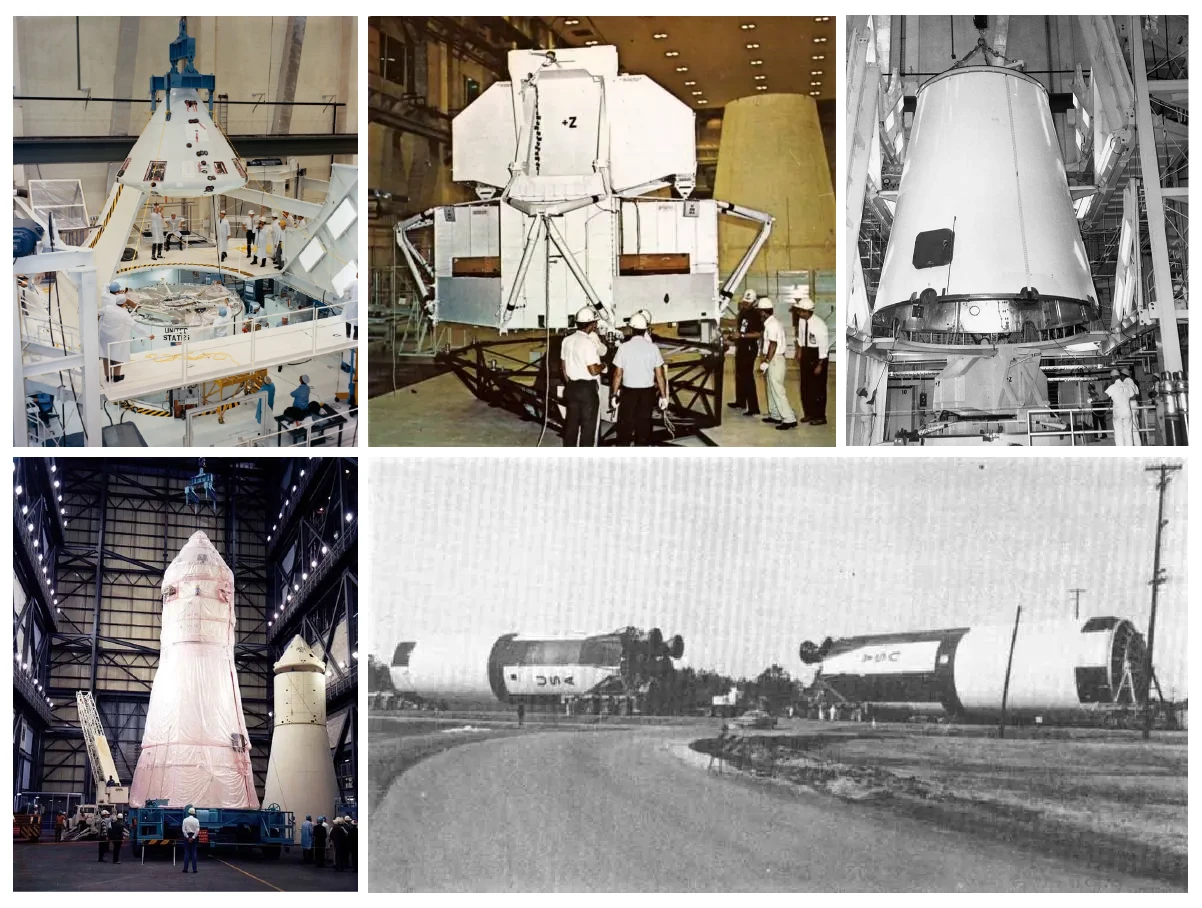
Preflight processing of the Apollo 6 spacecraft in the Manned Spacecraft Operations Building (MSOB) at NASA’s
Kennedy Space Center (KSC) in Florida.
From Contract Manufacturing to EMS
The electronics subcontracting model expanded through the 1970s and 1980s.
Initially, OEMs often used contract manufacturers to solve capacity constraints or support particular production stages, especially PCB assembly. As manufacturing processes became more automated and subcontractors developed broader technical capabilities, OEMs began outsourcing more complex manufacturing work. The ILO study describes this transition as a gradual move from limited subcontract assembly toward a broader service model.
Contract manufacturers also began moving beyond basic assembly. They added component procurement, testing, prototyping, new product introduction, repair, and end-of-life support. This expansion is one of the main reasons the term Electronics Manufacturing Services became increasingly useful: it described a broader relationship than simple contract assembly.
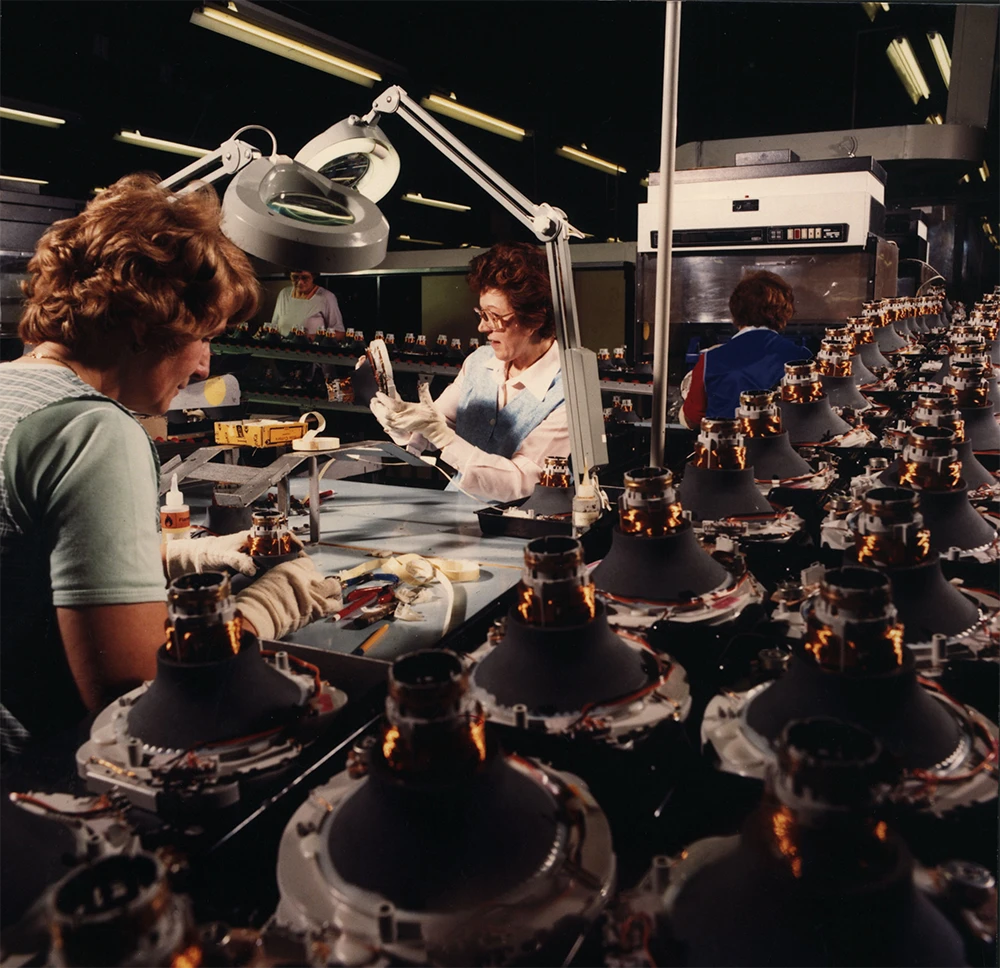
Workers at the Philips factory in Washington, UK, during the 1970s. Manual electronic assembly remained an important part of electronics manufacturing before later generations of automated SMT equipment became widespread.
Solectron and the Expansion of the Modern EMS Model
Solectron became one of the companies most closely associated with the rise of the modern EMS industry.
The company was incorporated in California in 1977 and later developed from an electronics assembly business into a major manufacturing partner for global OEMs. In its 2001 SEC filing, Solectron described itself as a provider of electronics manufacturing services and outlined activities extending well beyond PCB assembly, including product design support, new product introduction, manufacturing, distribution, and end-of-life services.
By the late 1990s, EMS was growing quickly. A 2000 MIT thesis cited a November 1998 Dataquest survey forecasting annual EMS industry growth of more than 26%. The same thesis reported that Solectron had achieved a compound annual growth rate of more than 53% since 1992.
Contemporary reporting also captured how dramatically the industry was changing. A 1999 Washington Post article described Solectron as part of a new generation of large-scale contract manufacturers producing electronics for major brands while remaining largely invisible to end customers.
The expansion of companies such as Solectron, SCI, Jabil, Flextronics, Celestica, and Foxconn marked a shift from narrow subcontract assembly toward a much broader manufacturing-service model.
Why OEMs Increased Manufacturing Outsourcing
The growth of EMS was driven by a combination of technological and economic pressures.
Electronics products became more complex, while product lifecycles shortened. Manufacturing equipment, testing systems, process control, and supply-chain management also became increasingly specialized. Maintaining all of these capabilities internally required substantial capital and organizational resources.
The ILO study explains that outsourcing allowed OEMs to reduce capital requirements, improve inventory management, access advanced manufacturing technology, increase purchasing power, and scale production across multiple regions. It also allowed OEMs to concentrate more heavily on activities such as product development, marketing, and brand management.
The MIT thesis reached a similar conclusion but emphasized that outsourcing should not be viewed only as a cost-reduction exercise. Manufacturing outsourcing affects finance, operations, organizational structure, supply chains, and long-term strategy. 45502348-MIT
By the late 1990s, outsourcing had therefore become much more than a short-term solution to production capacity problems.
EMS Became More Than PCB Assembly
PCB assembly remained one of the foundations of EMS, but the industry expanded around it.
The ILO research describes how leading contract manufacturers increasingly sought to manufacture and test complete systems, manage supply chains, provide engineering support, perform final assembly, handle fulfillment, and support products after production.
This broader service model is what separates modern EMS from the narrower contract-manufacturing relationships that existed earlier.
The change can also be seen clearly in actual production flows from the period.
The 2000 MIT study of Qualcomm handset manufacturing describes three major production stages: surface-mount assembly, final assembly, and system testing. Components were placed on circuit boards using SMT equipment and reflow soldering. The completed circuit-card assemblies were then tested, integrated into finished handsets, and subjected to system-level testing.
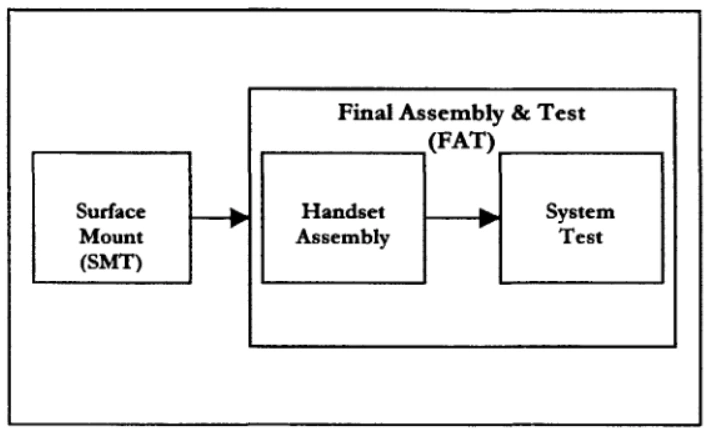
This is important because it shows that, by 2000, electronics outsourcing was already moving beyond isolated PCB assembly toward integrated product manufacturing.
EMS Becomes a Global Manufacturing Model
By the late 1990s and early 2000s, EMS had developed into a global manufacturing industry.
The ILO study identifies Celestica, Flextronics, Jabil, Foxconn, Sanmina-SCI, and Solectron among the major global contract manufacturers of the period. These companies operated manufacturing facilities across several regions and produced electronics for many well-known OEMs. Subcontracting_in_electronics_F…
The broader globalization of electronics supply chains helped accelerate this trend. Product design, component manufacturing, PCB assembly, final integration, and distribution could increasingly be divided among specialized companies in different locations.
This made the EMS provider more than a factory. In many cases, it became a manufacturing and supply-chain partner.
What EMS Means Today
Today, EMS generally refers to a contract-based manufacturing relationship in which an external manufacturing partner supports some or all of the work required to turn an electronic design into a manufactured product.
Depending on the project, this may include PCB fabrication and assembly, component sourcing, prototyping, engineering review, programming, functional testing, cable and wire-harness assembly, enclosure integration, box-build assembly, final product integration, packaging, logistics, and repair.
The exact scope varies from project to project.
Some customers need only PCBA production. Others need a manufacturing partner capable of coordinating electronics, mechanical parts, enclosures, firmware, testing, packaging, and delivery as a single production process.
At TY-EMS, this broader manufacturing approach can include component sourcing, PCB assembly, testing, programming, box-build assembly, enclosure integration, packaging, and production coordination.
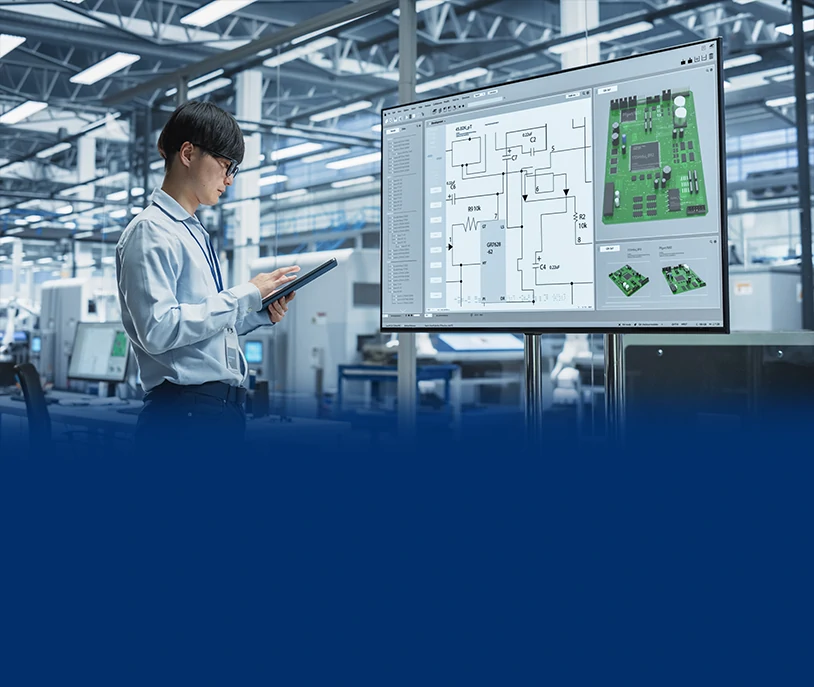
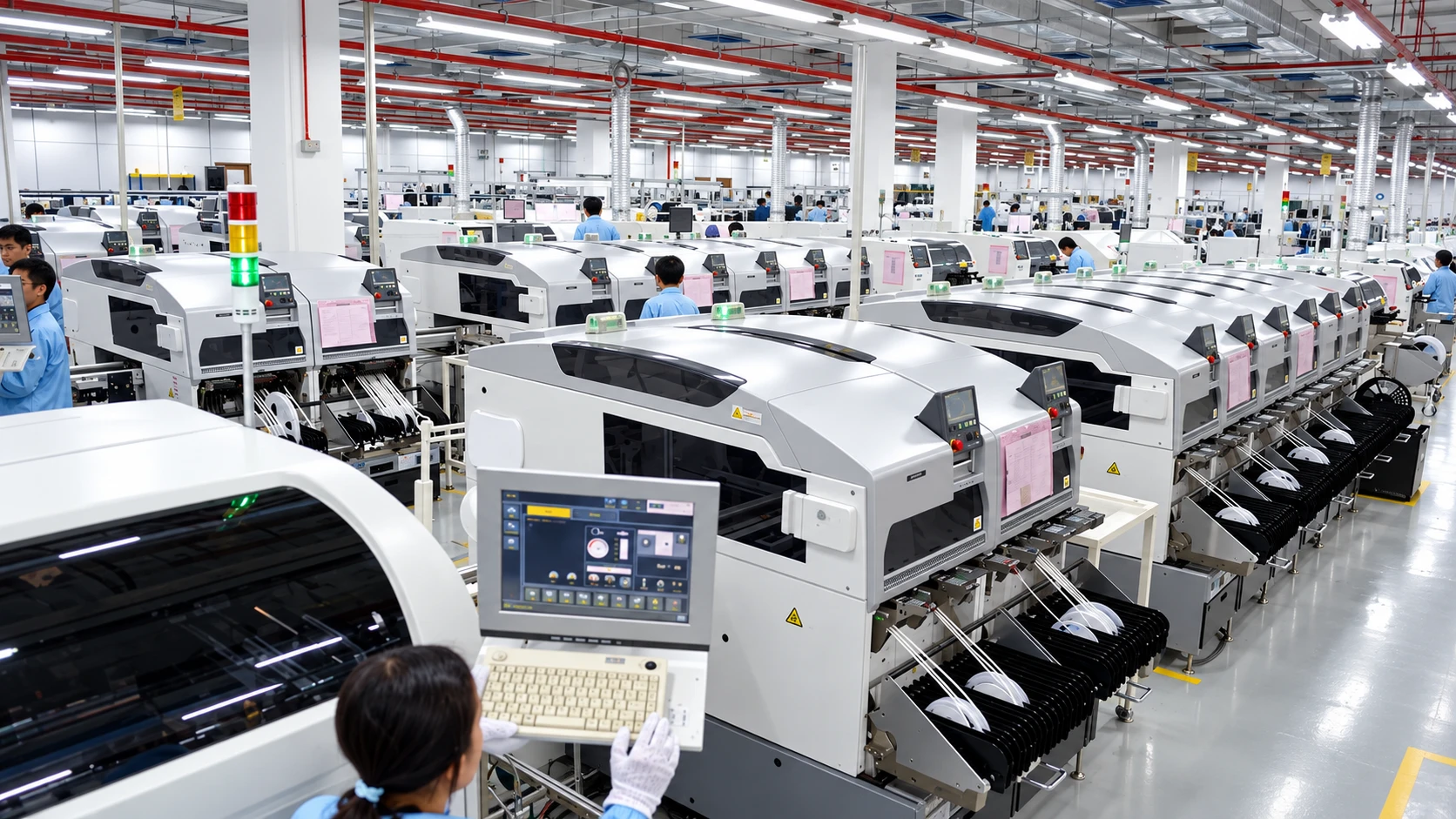 Modern EMS manufacturing combines PCB assembly with component sourcing, testing, wiring, enclosure integration, and final product assembly.
EMS and ODM Are Not the Same
EMS is sometimes confused with ODM, or Original Design Manufacturing.
The two models can overlap, but they developed from different roles.
The ILO study defines ODM companies as businesses that design products or product platforms and then manufacture them for customers. EMS providers, by contrast, developed primarily from contract manufacturers that expanded their manufacturing, engineering, sourcing, and support capabilities.
This distinction helps explain why an EMS provider may offer engineering support without necessarily owning the original product design.
In many EMS relationships, the customer retains ownership of the product architecture, brand, and intellectual property while outsourcing some or all of the manufacturing process.
From Subcontractor to Manufacturing Partner
The history of EMS is best understood as an evolution rather than a single founding event.
Early electronics subcontractors supplied individual assemblies and systems. During the 1970s and 1980s, specialized contract manufacturers expanded their technical and production capabilities. During the 1990s, outsourcing accelerated, and manufacturers added sourcing, testing, engineering support, and supply-chain management. By the early 2000s, the term EMS increasingly described companies capable of supporting much larger portions of the electronic product lifecycle.
Modern EMS is the result of that gradual expansion.
The central idea has remained relatively consistent: an OEM can retain control of its product, market, and brand while relying on a specialized manufacturing partner for some or all of the work required to manufacture that product.
What has changed is the scope.
EMS has evolved from relatively narrow subcontract assembly into a manufacturing model capable of integrating PCB assembly, sourcing, testing, mechanical assembly, system integration, supply-chain management, and delivery.