Why Electronics Manufacturing Quotes Vary: What OEM Buyers Should Compare
Two EMS quotations for the same PCBA can differ for legitimate reasons. Compare manufacturing scope, BOM sourcing, PCB construction, assembly process, NRE, volume assumptions, testing, and delivery terms.
Requesting a quotation is often one of the first steps an Original Equipment Manufacturer (OEM) takes when preparing an electronic product for production or evaluating a new manufacturing partner.
The process usually begins with a set of product files, an estimated order quantity, and a description of the manufacturing services required. Once responses arrive, however, comparing them is not always straightforward.
One manufacturer may provide separate prices for components, PCB fabrication, assembly, and testing. Another may combine several activities into a single unit price. Engineering preparation, tooling, and inventory commitments may be included, excluded, or subject to further discussion.
These differences do not necessarily indicate that one supplier is more expensive than another. In many cases, the quotations are based on different production assumptions or cover different responsibilities.

For an OEM buyer, understanding those differences is essential before making a purchasing decision.
Lisa M. Ellram, a researcher in purchasing and supply chain management, examined this problem in her paper, Total Cost of Ownership: An Analysis Approach for Purchasing, published in the International Journal of Physical Distribution & Logistics Management.
Based on case studies involving 11 companies, her research explains how purchasing decisions can account for costs beyond the initial purchase price, including expenses associated with acquiring and using products or services.
This approach is particularly relevant to Electronics Manufacturing Services (EMS), where a quotation may involve several manufacturing disciplines, each with its own technical requirements and cost structure.
What Does an Electronics Manufacturing Quotation Actually Include?
Before comparing prices, an OEM needs to establish the manufacturing scope covered by each quotation.
PCB fabrication, PCB assembly, component procurement, firmware programming, product testing, and final assembly are related activities, but they are not interchangeable services.
A supplier quoting a completed Printed Circuit Board Assembly (PCBA) may be responsible for sourcing components, manufacturing the bare PCB, and assembling the board. Whether inspection, programming, or functional testing is included depends on the agreed scope.
Another manufacturer may provide a more extensive service that includes mechanical components, wiring, enclosure installation, final product testing, and packaging.
Even when both suppliers describe their services as turnkey electronics manufacturing, the actual deliverables may differ.
This distinction matters because comparing quotations without establishing their scope can produce misleading conclusions.
ISO 10005:2018, Quality Management — Guidelines for Quality Plans, provides guidance for establishing quality plans applicable to products, processes, projects, and contracts.
Although the standard does not prescribe an EMS quotation format, its approach to defining planned activities and responsibilities provides a useful framework for clarifying manufacturing requirements.
For procurement purposes, the starting point should be a common definition of what each supplier is expected to deliver, how conformity will be verified, and which activities remain the OEM's responsibility.
Component Sourcing and BOM Pricing
Electronic components can represent a substantial portion of a PCBA's manufacturing cost. However, identical Bills of Materials (BOMs) do not necessarily produce identical procurement quotations.
A component's quoted price may depend on the manufacturer part number, purchasing quantity, available inventory, distributor terms, and delivery requirements.
A manufacturer sourcing parts against a scheduled production forecast may have different purchasing conditions from one quoting an isolated production order.
Differences can also arise when a BOM permits alternative components.
An OEM may specify a particular microcontroller, connector, or power management component. Another manufacturer may identify a potential alternative that is available through its existing procurement network.
Whether that alternative can be used is an engineering decision, not simply a purchasing decision.
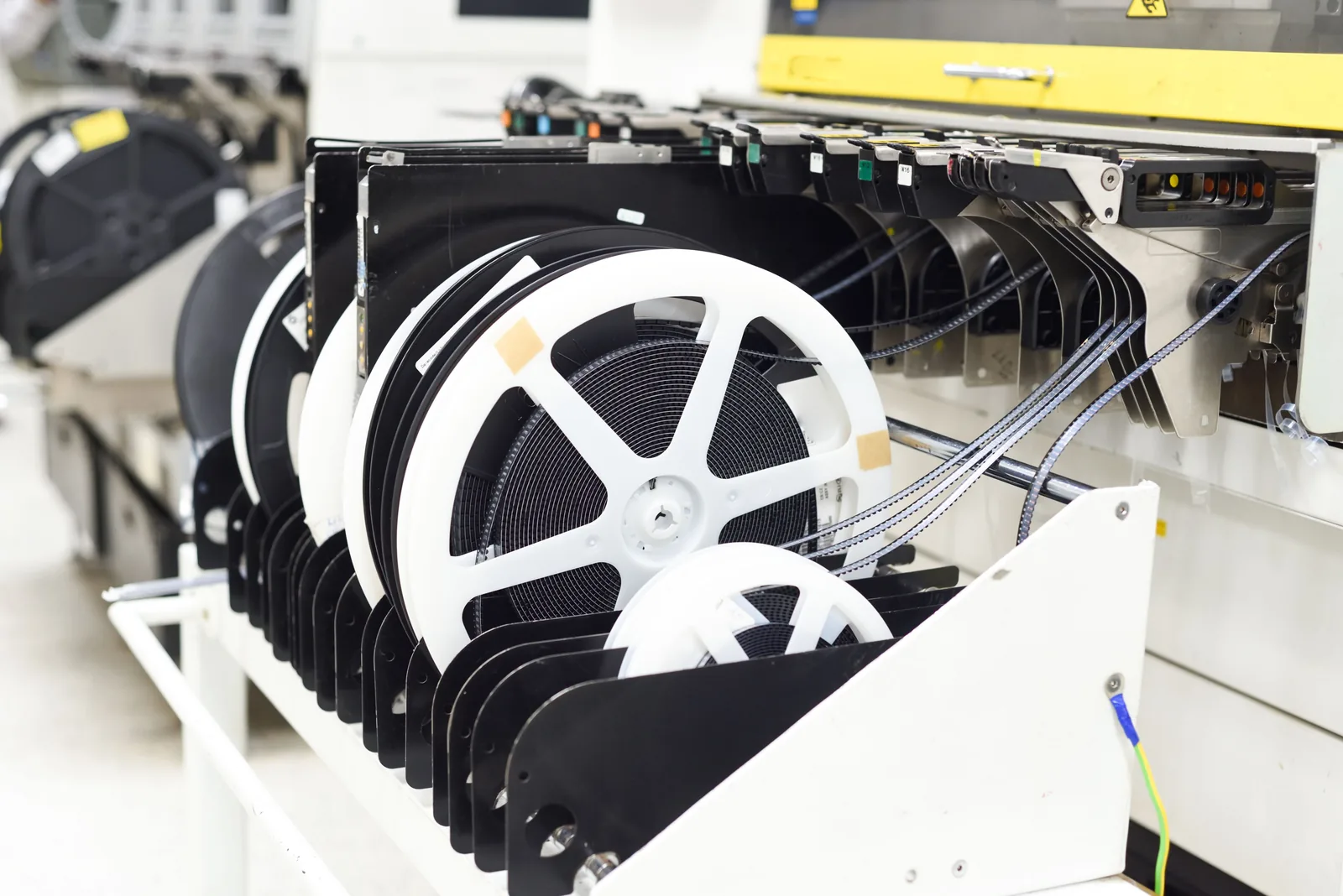
ISO 10007:2017, Quality Management — Guidelines for Configuration Management, provides guidance for maintaining control over product configurations and related changes.
In an electronics manufacturing project, this supports managing the relationship between approved component specifications, engineering changes, and production documentation.
A lower component price should not be accepted without confirming that the quoted item meets the product's approved requirements.
Long-term supply conditions are also relevant.
IEC 62402:2019, Obsolescence Management, establishes requirements and guidance for identifying and managing obsolescence risks throughout an item's lifecycle.
For products intended to remain in production for several years, component lifecycle status may be as important as current availability.
When comparing BOM pricing, OEM buyers should establish whether quotations use the same approved components, whether alternatives are proposed, what purchasing quantities have been assumed, and who is responsible for unused materials.
These details explain more about the procurement arrangement than the total BOM price alone.
PCB Fabrication Specifications and Manufacturing Cost
PCB fabrication costs are strongly influenced by the design and construction requirements of the board.
Ronald E. Giachetti and Juan Arango, researchers in industrial and systems engineering, examined this relationship in A Design-Centric Activity-Based Cost Estimation Model for PCB Fabrication, published in Concurrent Engineering.
Their research developed an activity-based costing approach that connects PCB design characteristics with manufacturing operations.
The study provides a useful explanation for why PCB quotations cannot be evaluated solely by board dimensions.
Layer count, laminate selection, copper thickness, drilling requirements, surface finish, and dimensional tolerances can all affect the manufacturing process.

For example, a conventional multilayer PCB using plated through-holes may require different fabrication operations from a high-density interconnect board incorporating blind or buried vias.
These differences influence the equipment, process sequence, and inspection requirements involved in fabrication.
IPC-6012F, Qualification and Performance Specification for Rigid Printed Boards, establishes qualification and performance requirements for various rigid PCB constructions.
Its scope includes single-sided and double-sided boards, multilayer boards, and constructions involving blind, buried, or microvias.
When obtaining fabrication quotations, OEM buyers should confirm that the manufacturers are working from the same approved fabrication data and technical requirements.
A lower quotation based on a different material, surface finish, board construction, or acceptance specification may not represent an equivalent manufacturing offer.
Assembly Equipment, Process Planning, and Automation
PCB assembly cost depends on more than the number of components to be installed.
The manufacturing process may involve solder paste printing, surface mount component placement, reflow soldering, through-hole assembly, inspection, and other operations determined by the product's design.
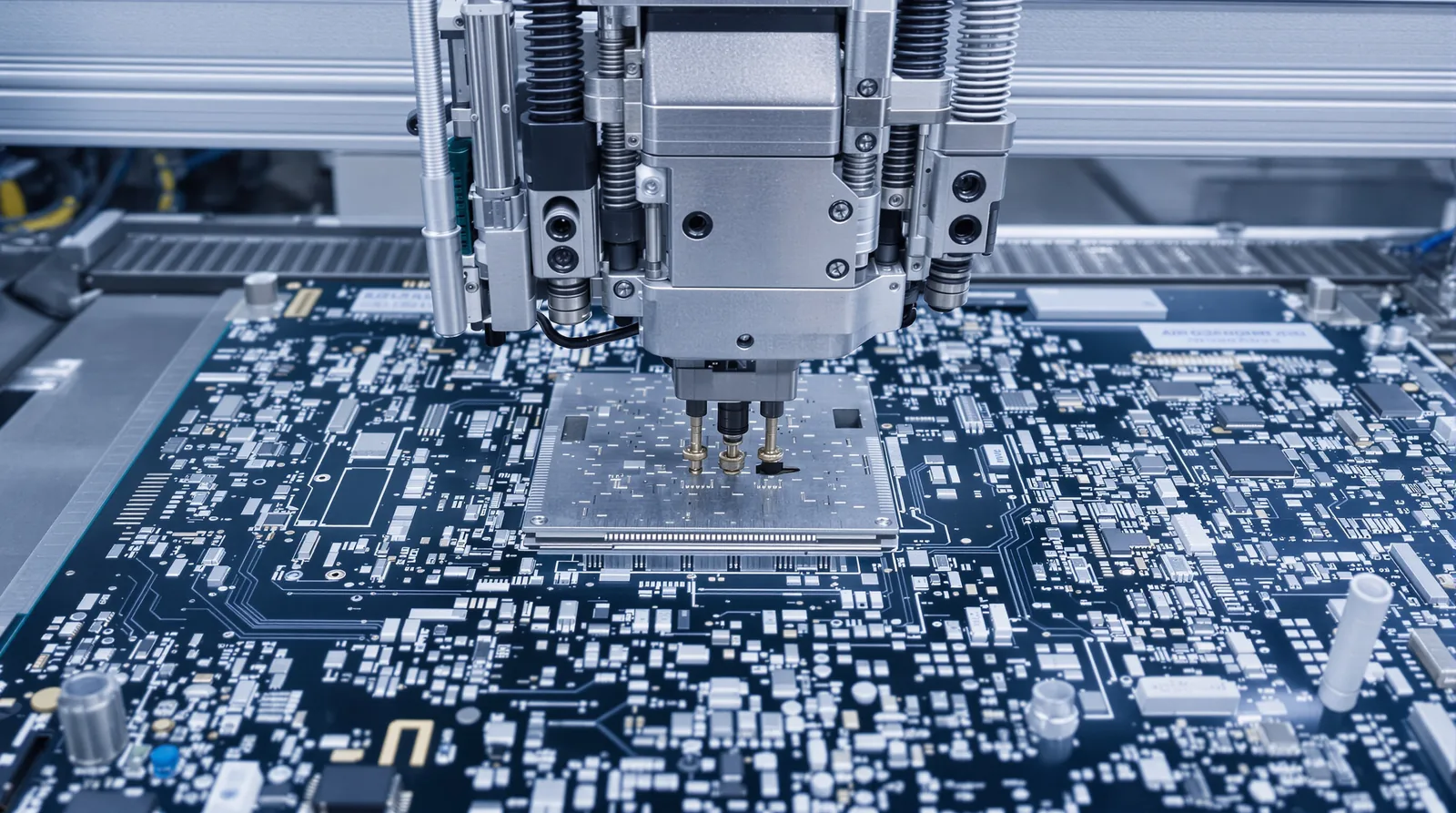
M. Alexander, K. Srihari, and C. R. Emerson, researchers associated with Binghamton University's manufacturing engineering research, examined PCB assembly cost estimation in Manufacturing Cost Analysis of Surface Mount PCB Designs, published in Circuit World.
Their research integrated design information, manufacturing process planning, and cost estimation. It considered characteristics such as component mix, substrate type, board size, and detailed design information when evaluating manufacturing cost.
This helps explain why two manufacturers using different production arrangements may calculate different assembly costs for the same product.
A board containing only surface mount components may require a different process sequence from one combining SMT devices, through-hole connectors, and manually installed mechanical components.
Double-sided assembly, specialized components, or additional handling operations can also affect the manufacturing route.
Automation introduces another variable.
Automated SMT equipment can perform repetitive placement operations at high speed and support consistent execution of established production programs. However, equipment capacity alone does not determine the economics of a manufacturing project.
Machine programming, feeder setup, soldering profiles, process verification, maintenance, and production changeovers all require resources.
A highly automated production line may offer advantages for products with stable designs and recurring orders, while projects involving frequent engineering changes may incur additional setup and preparation costs.
Manufacturing location can also influence the production resources available to an EMS supplier. China provides a notable example of a mature electronics manufacturing environment supported by extensive PCB production capacity, component supply networks, specialized manufacturing services, and significant investment in automation. According to China's Ministry of Industry and Information Technology, the country's electronic information manufacturing sector generated RMB 17.4 trillion in operating revenue in 2025. The International Federation of Robotics also reported that China installed approximately 354,000 industrial robots that year, representing 59% of global installations. These robot figures cover manufacturing industries as a whole rather than EMS specifically. Research into the Pearl River Delta's electronics industry cluster further documents the region's established industrial network and specialized production relationships. Such resources can provide manufacturers with access to different technical capabilities and sourcing options, although the benefits for a particular project still depend on the individual supplier's processes, equipment, and purchasing arrangements.
For OEM buyers, assembly quotations should therefore be examined in relation to the proposed manufacturing process, rather than assuming that a particular equipment configuration automatically produces the lowest cost.
Engineering Preparation and Non-Recurring Expenses
Not every manufacturing cost is associated with producing an individual unit.
Before production begins, an EMS provider may need to review manufacturing data, prepare machine programs, produce solder paste stencils, develop inspection procedures, or arrange product-specific test fixtures.
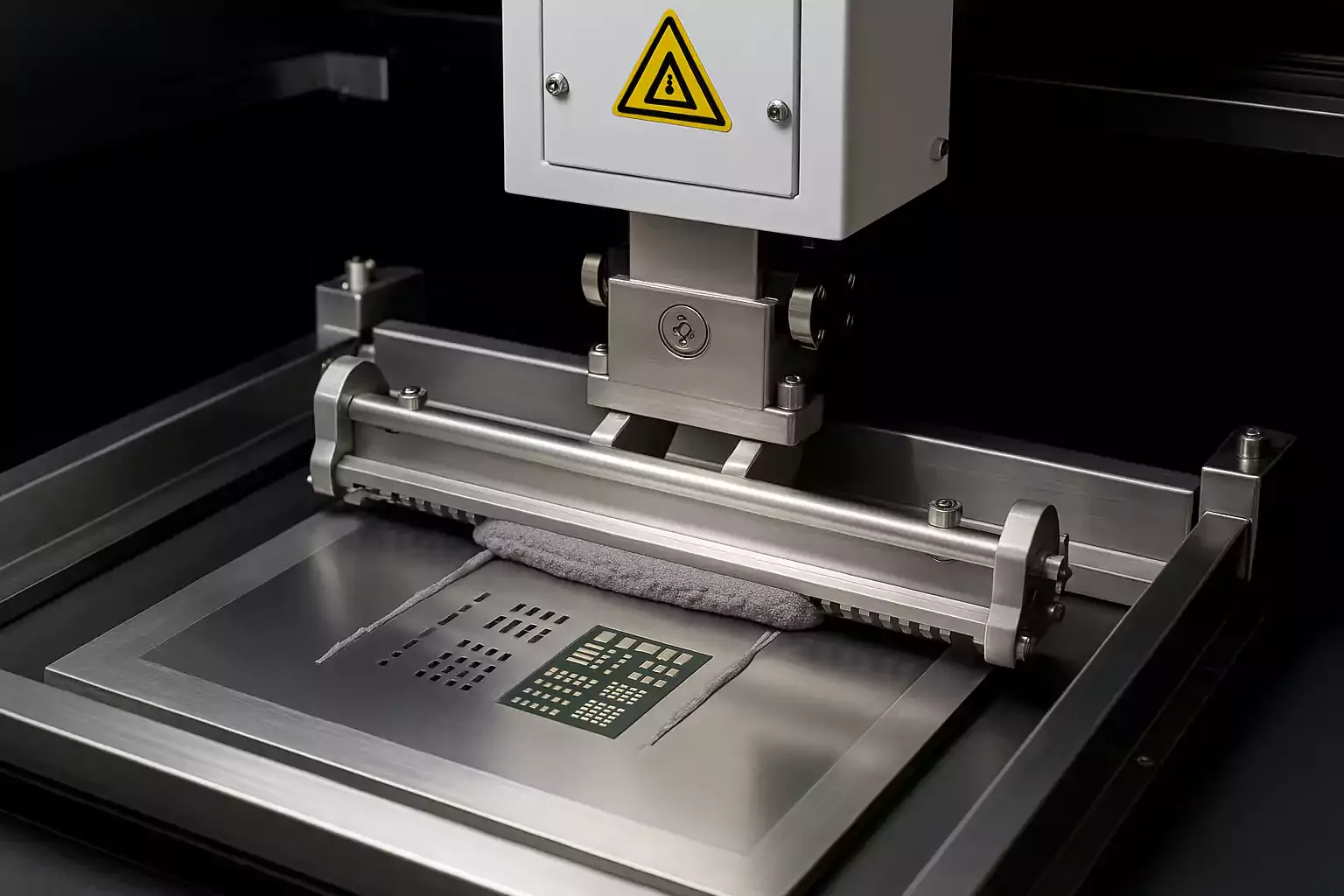
These activities can generate non-recurring engineering expenses, commonly referred to as NRE.
The treatment of these expenses varies between quotations.
One supplier may present engineering preparation and tooling as separate charges. Another may incorporate some of these costs into the recurring unit price.
The difference becomes particularly important when production volume changes.
The activity-based PCB cost model developed by Giachetti and Arango illustrates why manufacturing costs need to be connected to the activities required by a design.
For procurement, the important question is how the manufacturer has allocated those activities across the quoted production quantity.
A separate setup charge may increase the initial order cost without necessarily increasing the recurring cost of later production batches.
Conversely, a quotation with no separately identified setup charge may recover those expenses through a higher unit price.
Neither pricing arrangement is inherently preferable.
An OEM should establish which expenses occur only during the initial build, which may recur after engineering revisions, and which are already included in the production price.
Dedicated tooling and test equipment also require attention.
If the customer pays for a test fixture, the manufacturing agreement should identify its ownership, storage arrangements, maintenance responsibilities, and treatment if production is transferred to another supplier.
These commercial details may have little effect on the first quotation but can become relevant throughout the product's manufacturing lifecycle.
Production Volume and Purchasing Commitments
Manufacturing quotations are usually based on assumptions about production quantity and purchasing schedules.
The cost of a single production run may differ from the cost of repeated manufacturing orders using the same approved product configuration.
Preparation activities, equipment scheduling, component purchasing quantities, and material inventory can all influence the resulting price.
An OEM requesting 10,000 units annually may intend to purchase that quantity in several separate releases rather than one production order.
If the manufacturer has calculated its quotation using a single larger batch, the quoted price may not reflect the actual purchasing arrangement.
The distinction between annual demand and production lot size should therefore be made clear.
Minimum order quantities can create additional differences.
Some components may need to be purchased in quantities greater than those required for the immediate production order. The resulting inventory may be held for future releases or handled according to a separate commercial agreement.
Before comparing quotations, the OEM should establish whether the manufacturers have used the same production quantities, purchasing assumptions, and delivery schedule.
Price validity is another consideration.
Component availability, supplier purchasing terms, and manufacturing requirements can change between the original quotation and the final purchase order.
The quotation should identify which prices are fixed and under what conditions they may be revised.
Without consistent assumptions, a difference in unit price may reflect a difference in purchasing commitments rather than manufacturing efficiency.
Quality Requirements, Inspection, and Testing
Quality requirements affect both the manufacturing process and the scope of services included in a quotation.
ISO 9001:2026, Quality Management Systems — Requirements, provides a framework for managing manufacturing activities, external providers, nonconforming outputs, and product release.
A manufacturer's ISO 9001 certification is relevant to its quality management system, but it does not independently demonstrate that a particular electronic assembly meets all product-specific requirements.
For PCB assembly, technical acceptance standards provide more specific references.
IPC J-STD-001J and IPC-A-610J address complementary aspects of electronic assembly manufacturing.
J-STD-001J establishes requirements relating to soldering processes and materials, while IPC-A-610J provides acceptance criteria for completed electronic assemblies.
These standards can form part of the agreed manufacturing requirements when applicable to the product.
However, assembly acceptance and product functional testing are different activities.
A completed PCBA may satisfy the specified workmanship requirements while still requiring firmware programming, electrical testing, communication interface verification, or other product-specific checks.
Automated optical inspection (AOI), in-circuit testing (ICT), and functional circuit testing (FCT) serve different purposes. Their inclusion should be determined by the product's technical requirements and the agreed test strategy.
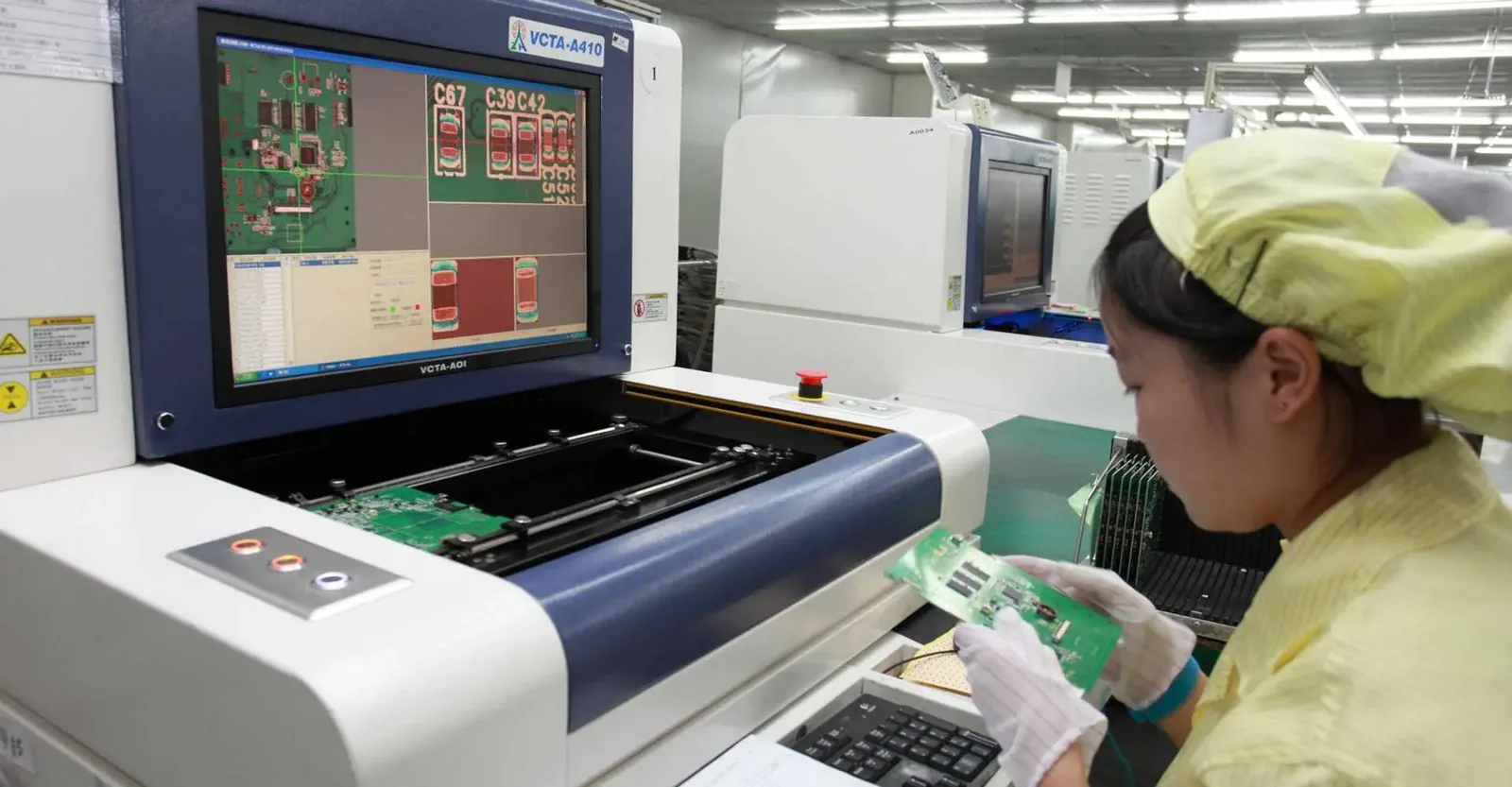
A quotation covering assembly and inspection is therefore not directly equivalent to one that also includes development of functional test procedures, dedicated test equipment, and production testing.
Inspection sampling requires similar care.
ISO 2859-1:2026 provides AQL-indexed acceptance sampling schemes for lot-by-lot inspection.
Such sampling methods can support particular inspection activities, but passing an acceptance sampling inspection should not be presented as proof of complete product reliability or manufacturing process validation.
The OEM should understand which inspection and test activities are included, what acceptance criteria apply, and what records the manufacturer is expected to provide.
Different test requirements can result in legitimate quotation differences even when the physical assembly is identical.
The Cost of Managing Nonconforming Products
A quotation may define the manufacturing and testing scope without fully explaining what happens when a product fails to meet the agreed requirements.
Yet the treatment of nonconforming products can affect the responsibilities of both the manufacturer and the OEM.
ISO 9001:2026 addresses the control of nonconforming outputs and corrective action, establishing a quality management framework for handling products that do not meet applicable requirements.
In electronics manufacturing, the appropriate response may depend on the type of defect, its cause, the product's acceptance requirements, and the permitted corrective activities.
For electronic assembly rework and repair, IPC-7711/21D provides an industry reference for rework, modification, and repair processes.
The quotation or manufacturing agreement should clarify which party is responsible for investigating failures, authorizing rework, supplying replacement materials, and accepting or rejecting repaired products.
A manufacturing defect, a defective customer-supplied component, and a customer-requested design modification do not necessarily create the same financial responsibility.
These distinctions should be addressed through the agreed quality and commercial arrangements.
The purpose is not to assume that manufacturing problems will occur, but to avoid leaving important responsibilities undefined.
PCBA Manufacturing and Complete Product Assembly Are Different Scopes
An assembled circuit board is not necessarily a finished electronic product.
Depending on the product design, additional work may be required to install the PCBA in an enclosure, connect cables and other modules, load firmware, complete functional verification, and prepare the product for shipment.
These operations may be offered through box-build assembly or broader product integration services.
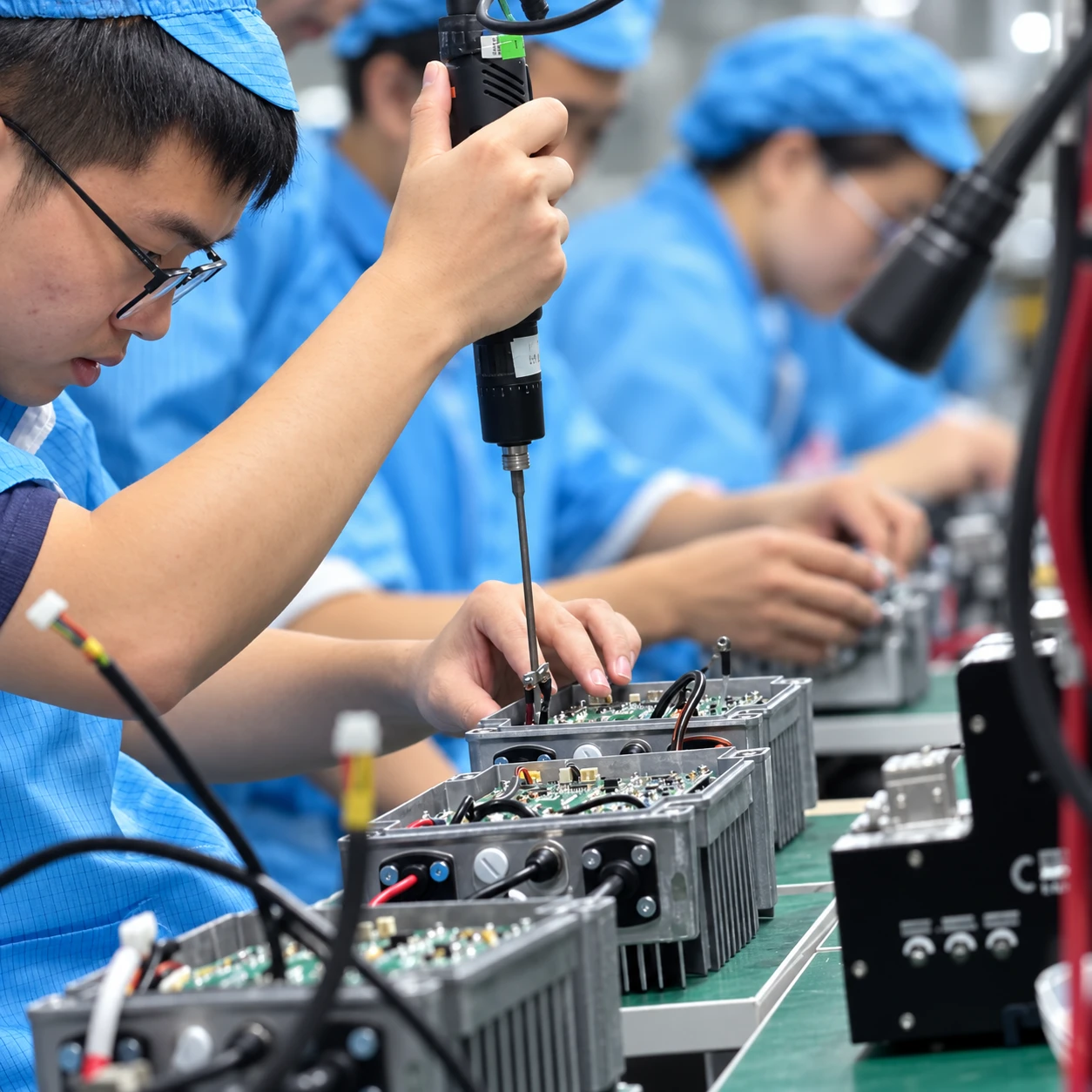
For an OEM purchasing a complete electronic device, this distinction can have a substantial effect on the quotation.
One manufacturer may deliver tested PCBAs and leave enclosure procurement and final assembly to the customer.
Another may quote a more extensive manufacturing arrangement involving electronic assemblies, mechanical components, cabling, final integration, product testing, labeling, and packaging.
Both arrangements can be appropriate, but they represent different deliverables.
The manufacturing scope should identify which parts and services are included, whether any processes are subcontracted, and where the supplier's responsibilities end.
Quality planning also becomes relevant when multiple manufacturing activities contribute to the same finished product.
ISO 10005:2018 provides guidance for establishing quality plans covering specific products, processes, projects, or contractual arrangements.
For quotation comparisons, this supports the importance of defining manufacturing and verification responsibilities across the agreed production scope.
A lower PCBA-only quotation should not be compared directly with a complete product manufacturing quotation without accounting for the additional activities.
Delivery Terms and the Actual Cost of Receiving the Product
Manufacturing quotations may also differ in how delivery responsibilities and transportation costs are handled.
A factory unit price does not necessarily represent the total cost incurred by the buyer when the product reaches its intended destination.
Transportation, insurance, customs clearance, import duties, and other applicable charges may need to be considered.
The International Chamber of Commerce's Incoterms 2020 rules provide internationally recognized terms for allocating specified costs, risks, and responsibilities between buyers and sellers.
For example, quotations using FCA and DDP terms involve different arrangements concerning transportation and import responsibilities.
The quoted values should not be treated as directly comparable without considering those differences.
Incoterms do not replace a complete sales contract, nor do they independently determine every aspect of payment, product ownership, or warranty responsibility.
Those matters require separate contractual consideration.
For OEM buyers evaluating international manufacturing suppliers, a meaningful price comparison should therefore account for the intended delivery destination and the costs the buyer is expected to bear.
Comparing Manufacturing Quotes Through Total Cost of Ownership
Once the manufacturing scope, technical requirements, and commercial assumptions have been clarified, the OEM can evaluate quotations on a more consistent basis.
The total cost of ownership approach discussed in Lisa M. Ellram's purchasing research offers a useful framework for this decision.
Rather than considering only the quoted unit price, the buyer can examine the costs associated with acquiring, receiving, and managing the manufactured product over the relevant purchasing period.
For electronics manufacturing, this may involve recurring unit costs, engineering preparation, tooling, component purchasing commitments, testing, logistics, and other agreed responsibilities.
Some costs are known at the quotation stage. Others depend on future circumstances, such as engineering changes, component availability, or production quality issues.
These uncertain costs should not be presented as guaranteed expenses. They can, however, be identified as factors that may influence the purchasing decision.
A lower unit price remains a meaningful advantage when manufacturers are quoting equivalent requirements and commercial conditions.
When those conditions differ, the buyer needs to understand the differences before concluding that one supplier offers better overall value.
Manufacturing capability, quality requirements, procurement arrangements, delivery performance, and commercial flexibility may all be relevant to the decision.
The importance of each factor depends on the product and the OEM's actual purchasing requirements.
Preparing an RFQ That Can Be Compared Fairly
A useful Request for Quotation (RFQ) should provide enough information for manufacturers to understand the required product and the intended manufacturing arrangement.
For PCBA manufacturing, this normally begins with an approved BOM, PCB manufacturing files, component placement information, assembly documentation, and applicable technical specifications.
Expected production quantities, delivery requirements, and any approved component alternatives should also be identified.
If the project requires firmware programming, product-specific testing, mechanical integration, or final assembly, these activities should be described as part of the requested scope.
The manufacturer can then assess the production requirements, identify missing information, and distinguish recurring costs from one-time preparation expenses.
This does not mean that every manufacturer must use an identical quotation format.
Different EMS providers may have legitimate differences in their manufacturing methods, sourcing arrangements, and service models.
The important point is that those differences should be sufficiently clear for the OEM to evaluate what each quotation includes.
A quotation based on incomplete or preliminary product information may still be useful for budgeting, but it should not be treated as equivalent to a confirmed manufacturing quotation based on approved production documentation.
Making an Informed Electronics Manufacturing Decision
Electronics manufacturing quotations reflect more than the cost of assembling components onto a circuit board.
They represent a combination of material purchasing assumptions, manufacturing processes, engineering preparation, quality requirements, production volumes, service responsibilities, and commercial terms.
Academic research into PCB manufacturing cost, assembly process planning, and total cost of ownership provides a foundation for understanding these differences. ISO, IPC, and IEC standards help establish the technical and quality requirements against which manufacturing proposals can be evaluated.
The objective of comparing EMS quotations is not to eliminate every price difference. It is to determine what each manufacturer is offering, how those services meet the product's requirements, and what the purchasing arrangement will involve.
Tongyong Industries supports OEM electronics manufacturing projects through BOM review, component sourcing, PCB assembly, testing, and box-build integration.
Through its electronics manufacturing services, Tongyong Industries works with customers to review manufacturing requirements and clarify the scope of work needed for production.
OEMs evaluating manufacturing quotations can submit their design files, BOM, anticipated production quantities, and relevant product requirements for an initial manufacturing review. This provides a practical basis for discussing production methods, component sourcing, testing requirements, and quotation assumptions before committing to manufacturing.