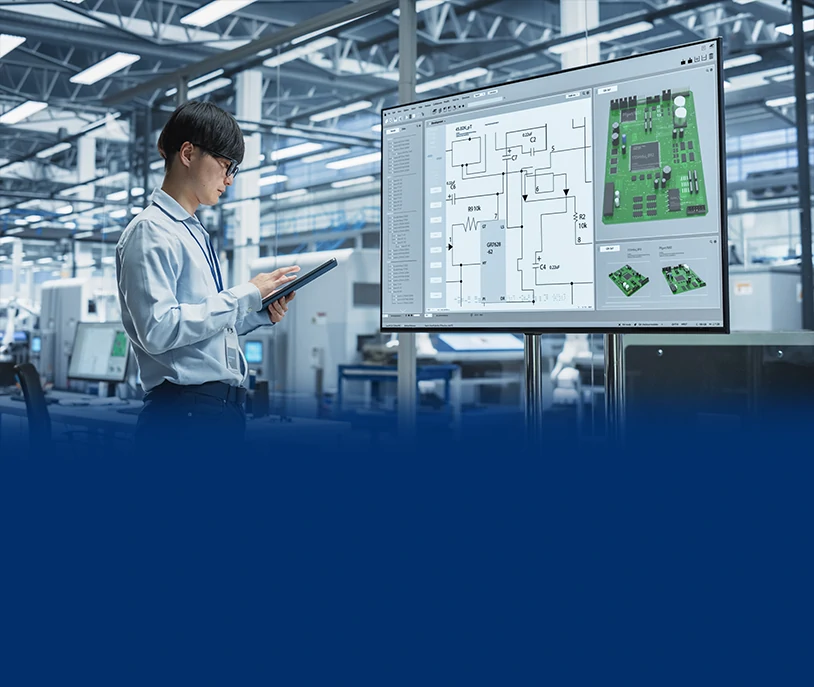
TY-EMS Connects Engineering, Manufacturing and Product Delivery
See how TY-EMS connects engineering review, PCB assembly, box-build integration, testing, packaging and delivery.
Editor’s Note: This article is adapted from an industry media interview on electronics manufacturing and has been rewritten to introduce the manufacturing approach and service capabilities of TY-EMS.
A recent industry media interview raised a practical question for companies developing electronic products: what sets a complete electronics manufacturing services partner apart from a supplier that performs only one part of the production process?
For many product developers, the answer is no longer limited to PCB manufacturing or PCB assembly. A complete electronic product may involve engineering review, component sourcing, circuit board production, enclosure manufacturing, cable integration, mechanical assembly, programming, functional testing, packaging and delivery preparation.
When these processes are managed separately, even a small difference between drawings, materials, components or assembly requirements can create problems later in the project.
TY-EMS, operated by Tongyong Industries, approaches electronics manufacturing as a connected process rather than a collection of unrelated services. It supports global OEM and ODM customers at different stages of product development, from early product requirements and existing samples to prototyping, PCB assembly, complete product assembly, testing, packaging and delivery coordination.
Flexible Electronics Manufacturing Support for Different Project Stages
Electronics manufacturing projects do not always begin at the same stage.
Some customers begin with complete Gerber files, a confirmed BOM, pick-and-place data, assembly drawings, enclosure drawings and testing instructions. Other customers may have only a product concept, preliminary drawings, product photographs, basic functional requirements or an existing sample.
In either situation, the first step is to understand what information is already available and what still needs to be confirmed before the product can enter prototyping or production.
This flexibility is particularly important in custom electronics manufacturing. A new product may still require design changes, alternative components or adjustments to its mechanical structure. An existing product may face obsolete components, unstable supply or incomplete manufacturing documentation.
The manufacturing process must therefore be arranged according to the actual condition of the project rather than requiring every customer to follow exactly the same procedure.
TY-EMS accepts common project materials including Gerber files, BOMs, pick-and-place files, assembly drawings, product photographs, physical samples and STEP or 3D files.
Engineering Review Before PCB Assembly
Engineering review is one of the areas that connects product development with manufacturing.
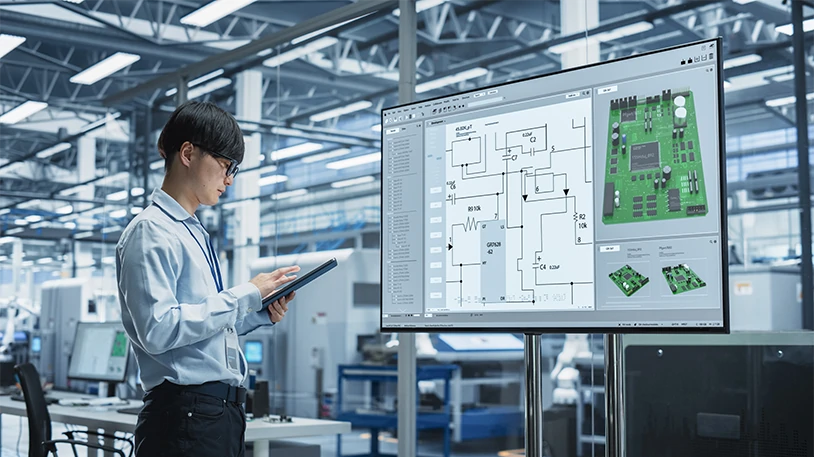
Before production begins, TY-EMS can review product requirements, PCB files, BOMs, component availability, enclosure drawings and assembly information.
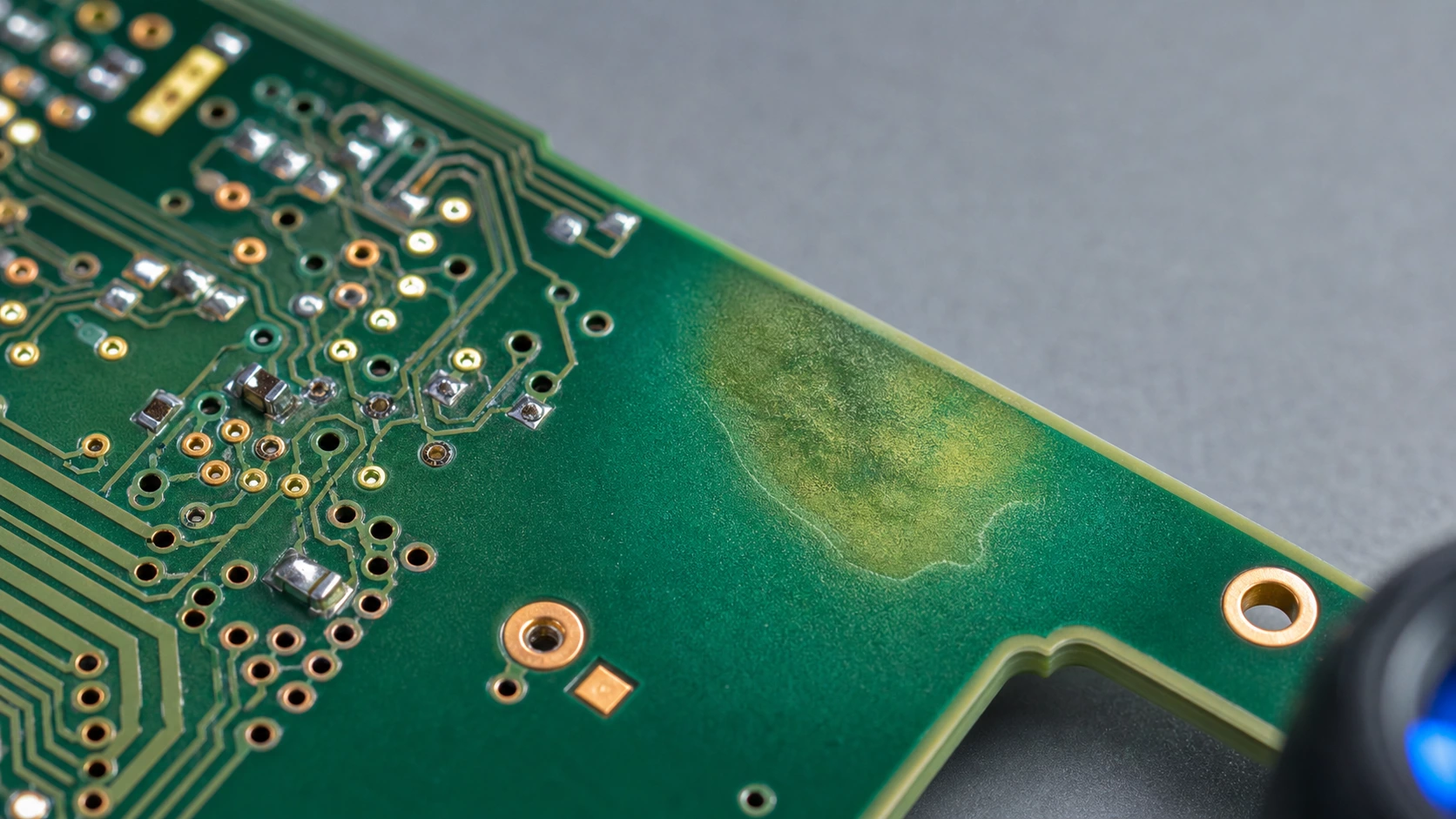
Design for manufacturability, design for assembly and design for testing reviews can help identify issues that may affect production, sourcing, inspection, assembly or final product performance.
The purpose of this review is not simply to check whether a file can be opened. It is to determine whether the electronic, mechanical and material requirements can work together as a manufacturable product.
A PCB may function correctly but still be difficult to install inside the product enclosure. A connector may fit the circuit board but fail to align with the enclosure opening. A component change may affect programming, testing, power requirements or mechanical fit.
Reviewing these relationships before production helps identify potential problems before materials are ordered or assembly begins.
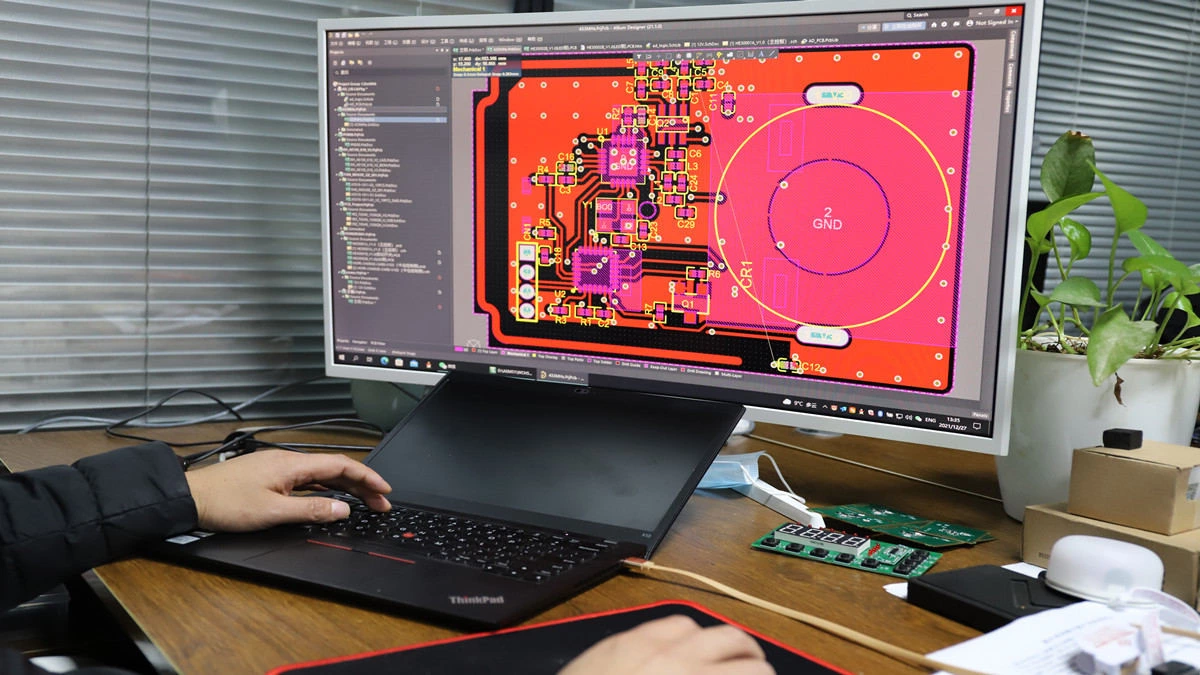
Once the project information has been confirmed, TY-EMS can support PCB manufacturing, electronic component sourcing and PCB assembly.
Its PCB assembly capabilities include SMT assembly, through-hole assembly and mixed-technology assembly for prototypes, pilot runs and batch production.
The appropriate assembly process depends on the PCB design, component types, production quantity, inspection requirements and intended application.
However, PCB assembly is often only one stage of the complete electronics manufacturing process.
More Than PCB Assembly
An assembled circuit board is not always the final product.
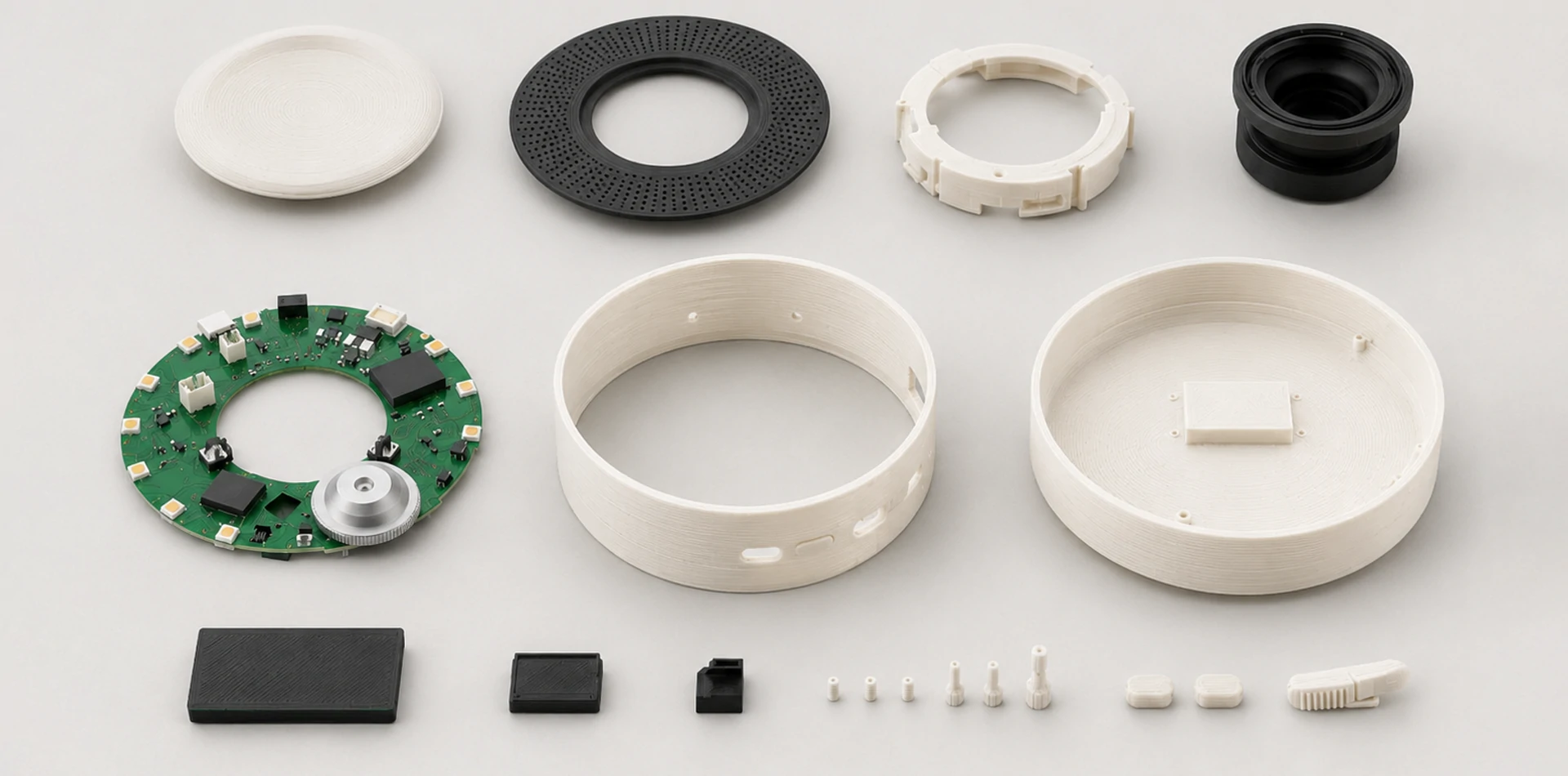
It may still need to be installed inside a plastic or metal enclosure and connected to cables, wire harnesses, displays, switches, sensors, batteries, power modules and other electronic or mechanical parts.
The product may also require programming, functional testing, labeling, appearance inspection and protective packaging before it becomes a finished unit.
For this reason, TY-EMS supports the coordination and production of materials beyond the circuit board. Depending on the project, these may include product enclosures, metal structural parts, heat sinks, cables, wire harnesses, connectors, switches, displays, touch interfaces, labels and packaging materials.
By coordinating circuit boards, electronic components, mechanical parts, cables and product enclosures, TY-EMS can reduce communication gaps between different stages of manufacturing.
It also allows potential compatibility problems to be considered before they affect pilot production or larger manufacturing quantities.
TY-EMS currently presents PCB manufacturing, PCB assembly, component sourcing, testing, product enclosures, box-build assembly, packaging and delivery coordination as connected parts of its electronics manufacturing services.
Box-Build Assembly from Assembled Boards to Complete Products
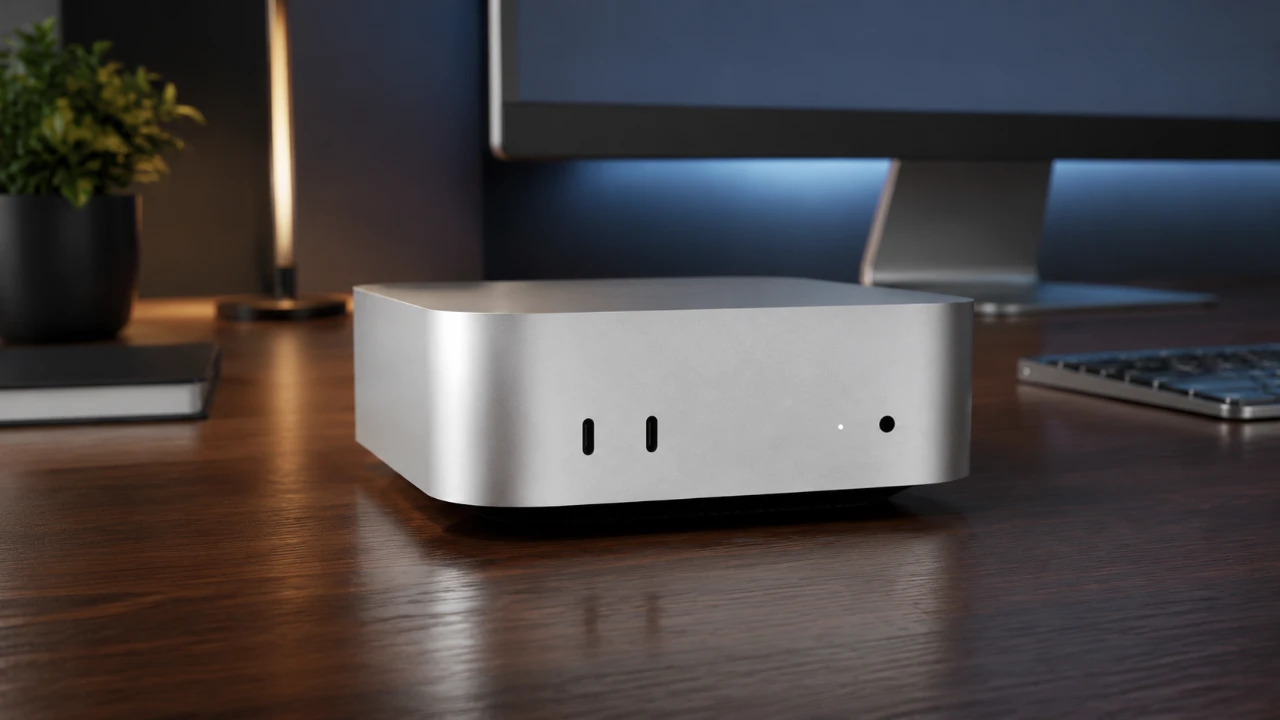
Bringing these materials and manufacturing capabilities together allows TY-EMS to support box-build assembly and complete product integration.
After the circuit boards have been assembled and inspected, they can be installed inside the product enclosure and connected to the remaining electronic and mechanical components.
Depending on the project, the manufacturing process may continue through programming, cable connection, mechanical assembly, functional testing, final inspection, labeling, packaging and delivery preparation.
The objective is not simply to deliver an assembled PCB. It is to help the customer move closer to a complete electronic product that is prepared for its next commercial, distribution or installation stage.
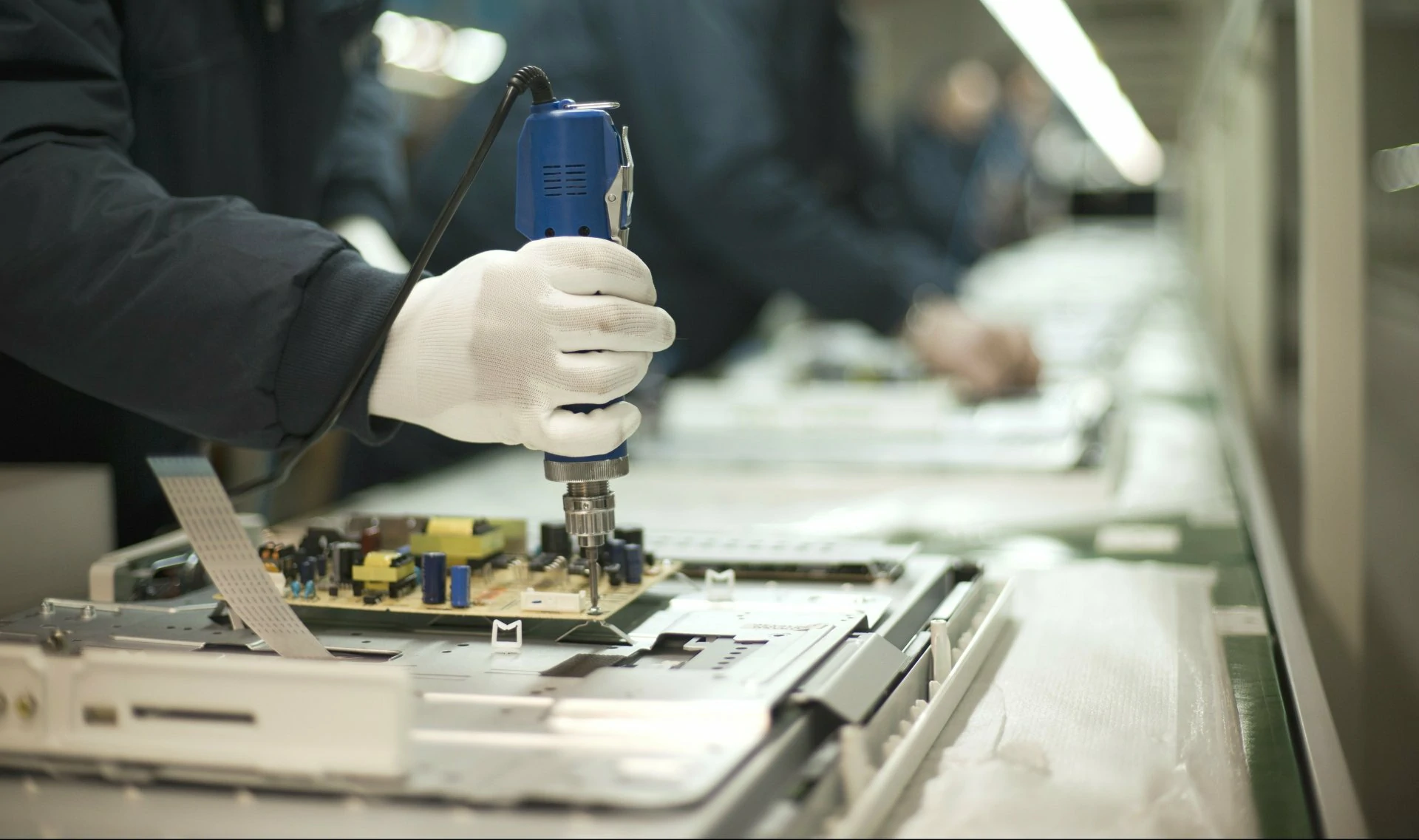
This manufacturing model is particularly suitable for projects that require electronic and mechanical systems to work together.
In an industrial controller, for example, the PCB, connectors, enclosure, cable routing and control interface must match the final installation environment.
In a smart device, the internal structure may need to accommodate batteries, sensors, wireless modules, displays and charging components within a limited space.
In a healthcare electronic product, controlled assembly, functional verification and production records may be especially important.
The manufacturing process must therefore be considered from the perspective of the complete product rather than the circuit board alone.
Electronics Manufacturing for Different Industries
TY-EMS supports projects in industrial electronics, consumer electronics, IoT devices, medical and healthcare electronics, automotive electronics, communication equipment and other custom electronic applications.
Industrial electronics projects may involve control boards, sensor modules, gateways, communication modules, power-control products and automation equipment.
Consumer electronics and IoT products may include connected devices, portable electronics, smart-home products, displays, charging products and control systems.
Medical and healthcare projects may include monitoring equipment, diagnostic electronics, control devices and other products that require controlled assembly and functional testing.
Automotive-related projects may involve control modules, lighting electronics, charging products, sensor-related devices and aftermarket electronic products.
Although these products belong to different industries, they share one important requirement: the manufacturing process must be built around the actual product structure, materials, production volume, quality requirements and intended application.
TY-EMS therefore arranges each project according to its actual manufacturing requirements rather than applying the same production plan to every product.
Supporting New and Existing Electronic Products
TY-EMS works with companies developing new electronic products as well as customers continuing or improving existing products.
For a new project, the work may begin with requirements review, engineering support, prototype manufacturing and sample validation.
After the design and manufacturing process have been confirmed, the project can move into pilot production and then batch manufacturing.
For an existing product, the starting point may be different. The available files, BOM, product samples, assembly requirements and current component supply conditions may need to be reviewed before production can continue.
In some cases, the main task is not to redesign the product. It is to establish a stable and repeatable manufacturing path for an existing design.
In both situations, the role of the manufacturing partner is to help the customer identify production requirements, resolve manufacturing problems and move the product toward stable production and market delivery.
TY-EMS currently describes its support as covering prototype builds, pilot runs and batch production, depending on project requirements.
A Connected Electronics Manufacturing Process
The direction of TY-EMS is to continue strengthening the connection between engineering, materials, manufacturing, assembly, testing and delivery.
PCB design, component sourcing, PCB assembly, enclosure production, cable integration, mechanical assembly, testing, packaging and delivery should not be treated as unrelated activities. They are all parts of the same finished product.
A change in one area can affect several others.
A different connector may affect the PCB layout and enclosure opening. A new enclosure design may change cable length and assembly procedures. A component replacement may require new programming or testing requirements.
Coordinating these stages through one electronics manufacturing process helps reduce unnecessary communication gaps, incompatible revisions and changes discovered late in the project.
TY-EMS aims to provide customers with a more complete path from product development to manufacturing and delivery.
Whether a customer starts with an idea, a drawing, a BOM, a product sample or an existing product, the objective remains the same: to understand the complete product, identify what is required for production and help move the project toward stable manufacturing and delivery.
Start Your Electronics Project
Send your available drawings, Gerber files, BOM, product samples or project requirements to TY-EMS. Our team will review the information and help determine the appropriate next manufacturing step.