How PCB Raw Material Defects Affect Product Reliability
PCB reliability starts before fabrication. Hidden raw material defects in laminate, copper foil, or resin systems can affect soldering, insulation, thermal stability, and long-term product performance.
Quality Starts With the Base Material
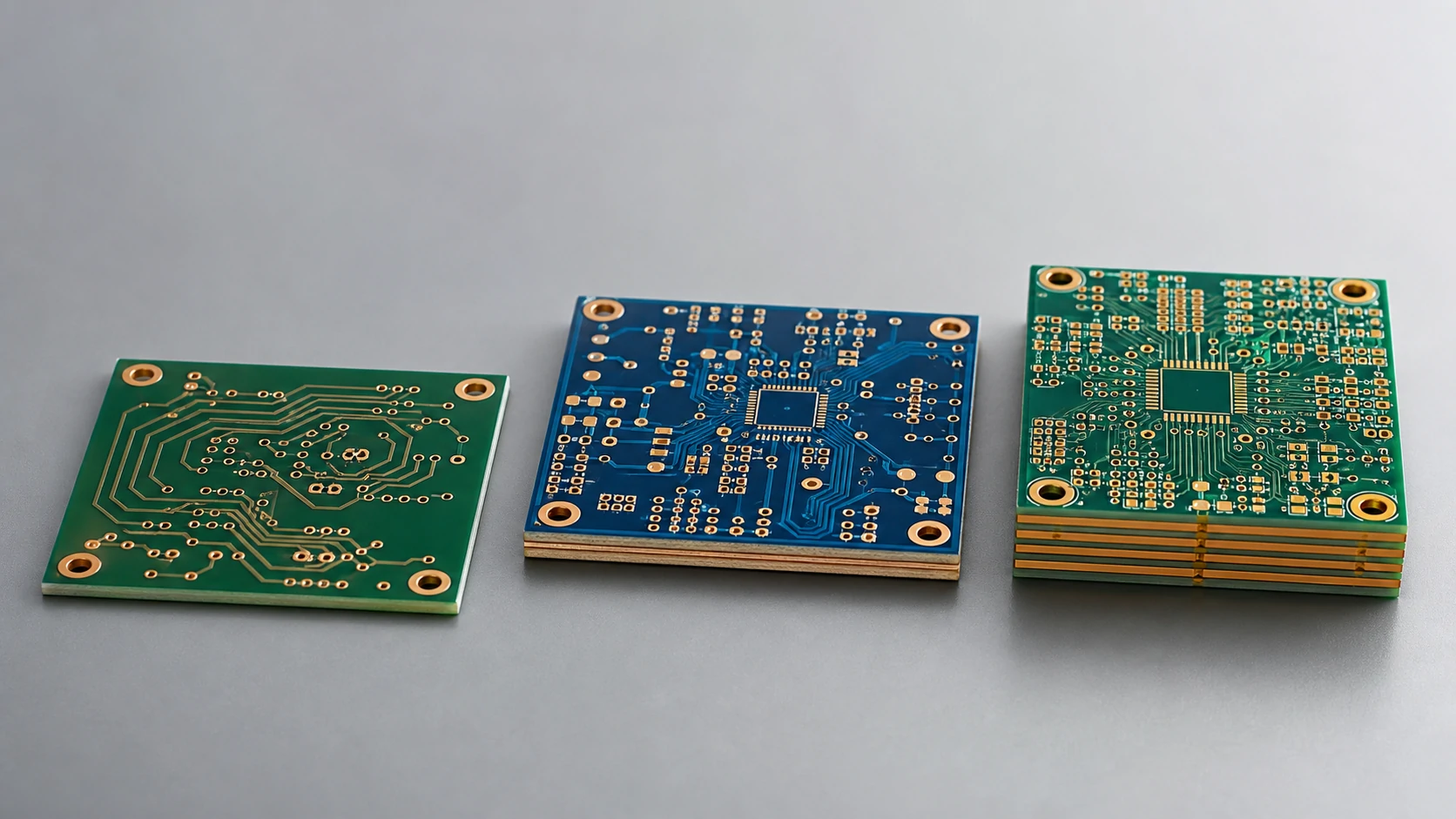
A PCB is not just a carrier for copper traces. It provides insulation, electrical connection, mechanical support, and thermal stability for the final electronic product. Before imaging, drilling, solder mask, surface finish, or assembly begins, the quality of the base material has already shaped the reliability of the board.
If the laminate, copper foil, resin system, or bonding structure contains hidden defects, the finished PCB may still look acceptable at first. However, these problems can appear later during soldering, thermal cycling, power-on testing, functional testing, or long-term operation.
Case Example: Laminate Discoloration and Delamination
One common raw material issue is poor bonding inside the copper-clad laminate. Moisture absorption, insufficient resin curing, uneven glass fiber distribution, or unstable lamination can cause local discoloration, blistering, or delamination after the board is exposed to high-temperature soldering.
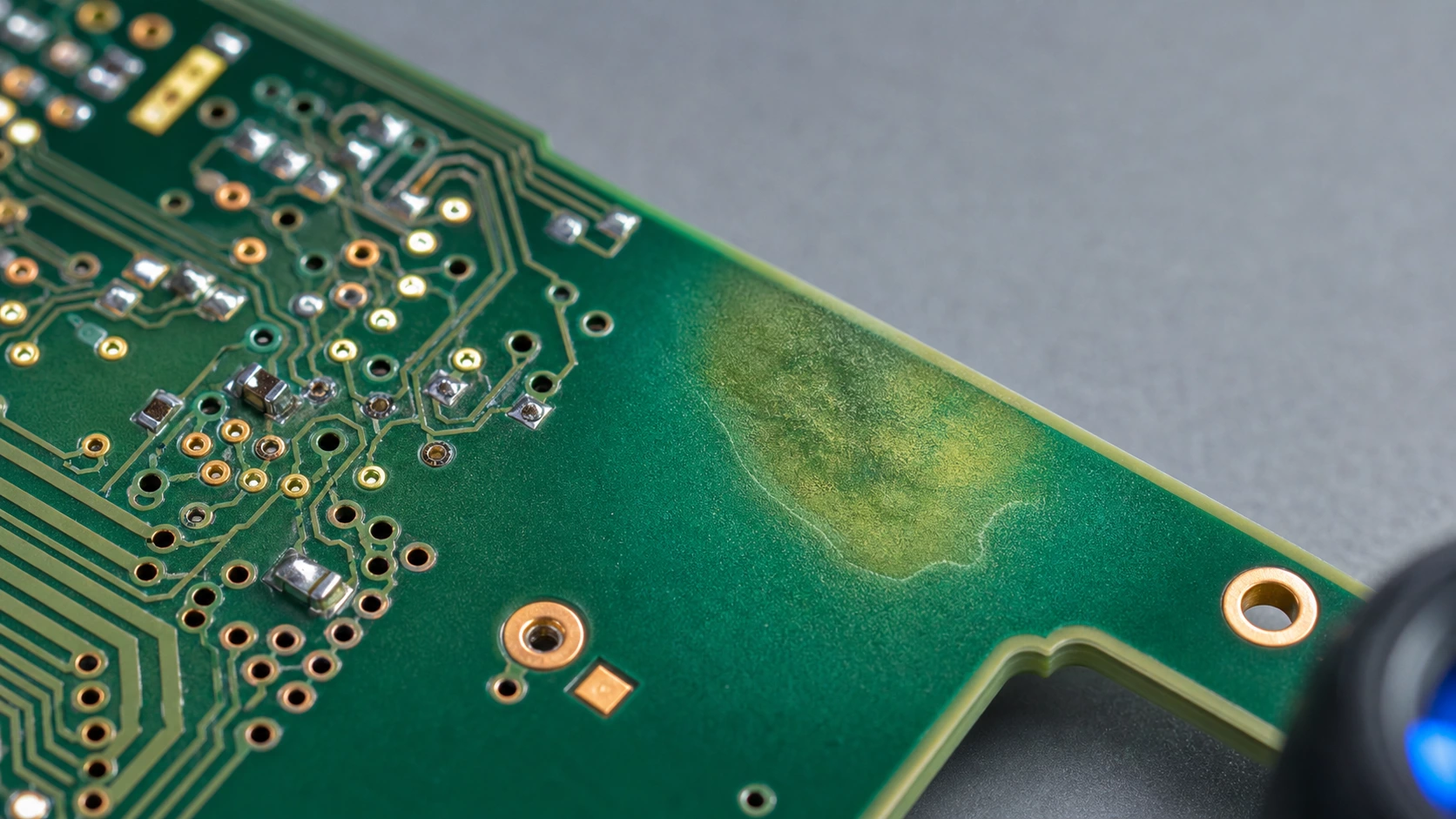
In minor cases, the defect may only affect appearance or local board consistency. In more serious cases, delamination can damage internal insulation, weaken copper adhesion, create open circuits, or reduce the long-term reliability of the product. For electronic products used in industrial control, power modules, IoT devices, or outdoor applications, this type of material defect can become a real production and field reliability risk.
Why Incoming Inspection Matters
The later a PCB material problem is found, the higher the cost. If raw material issues are only discovered after SMT assembly, functional testing, or final product build, the impact may include scrap, rework, delivery delays, and unclear responsibility between suppliers.
Incoming inspection helps reduce this risk before production moves forward. Key checks may include board thickness tolerance, copper adhesion, heat resistance, surface consistency, solderability, and material traceability. For higher-reliability products, additional checks such as thermal shock testing, peel strength testing, and cross-section analysis can help identify hidden risks earlier.
How TY-EMS Looks at PCB Quality
At TY-EMS, PCB quality is not treated as a separate issue from PCBA production. A board defect can affect soldering, assembly stability, functional testing, and final product reliability. That is why PCB review, material inspection, PCBA manufacturing, testing, and final inspection should be considered as part of the same manufacturing path.
Reliable electronics manufacturing starts with qualified materials and disciplined inspection. Controlling PCB raw material quality is one of the most effective ways to reduce scrap, rework, testing instability, and field failure.